
Dr Mac joins Kelly to talk about AirTags, what’s great about them, some unexpected uses, and some nifty accessories.

EU Fines WhatsApp $266 Million Over Data Transparency
The Irish Data Protection Commission has ordered Facebook-owned WhatsApp to pay a US$266 million fine over the way it handles user data.

Judge Allows Lawsuit to Proceed That Claims Siri Violates Privacy
U.S. District Judge Jeffrey White has given the green light to a lawsuit that claims Siri violates user privacy. He did dismiss part of the complaint.
AirTags For Your Dog!
Have you tried AirTags for your pup? Learn more in this Mini-Segment from Mac Geek Gab 886. If you decide to do it, buy your dog’s AirTag Holder Here.

Shard Labs Brings Liquid Staking to Polygon via Lido
On Thursday Shard Labs announced that it has chosen the Polygon blockchain to develop a liquid staking protocol for the MATIC token.

Apple Changsha Store in China to Open Saturday
Apple Changsha, the first Apple Store in the Hunan province of China, will open on Saturday, September 4 at 10 a.m. CST.

Apple’s AirTags Find Lost Items
Dr. Mac says Apple’s AirTags are the best tracker for lost items to date but finds Apple’s accessories way overpriced.
Watching TV+ Updates and Releases – TMO Daily Observations 2021-09-01
Charlotte Henry joins host Kelly Guimont to discuss the latest announcements and releases on Apple TV+ including Jon Stewart and James Bond.

Apple Silicon Success Means Google Will Design Chromebook Processors Itself
Following on the heels of Cupertino’s success with Apple Silicon, Google has plans to design Chromebook processors itself.
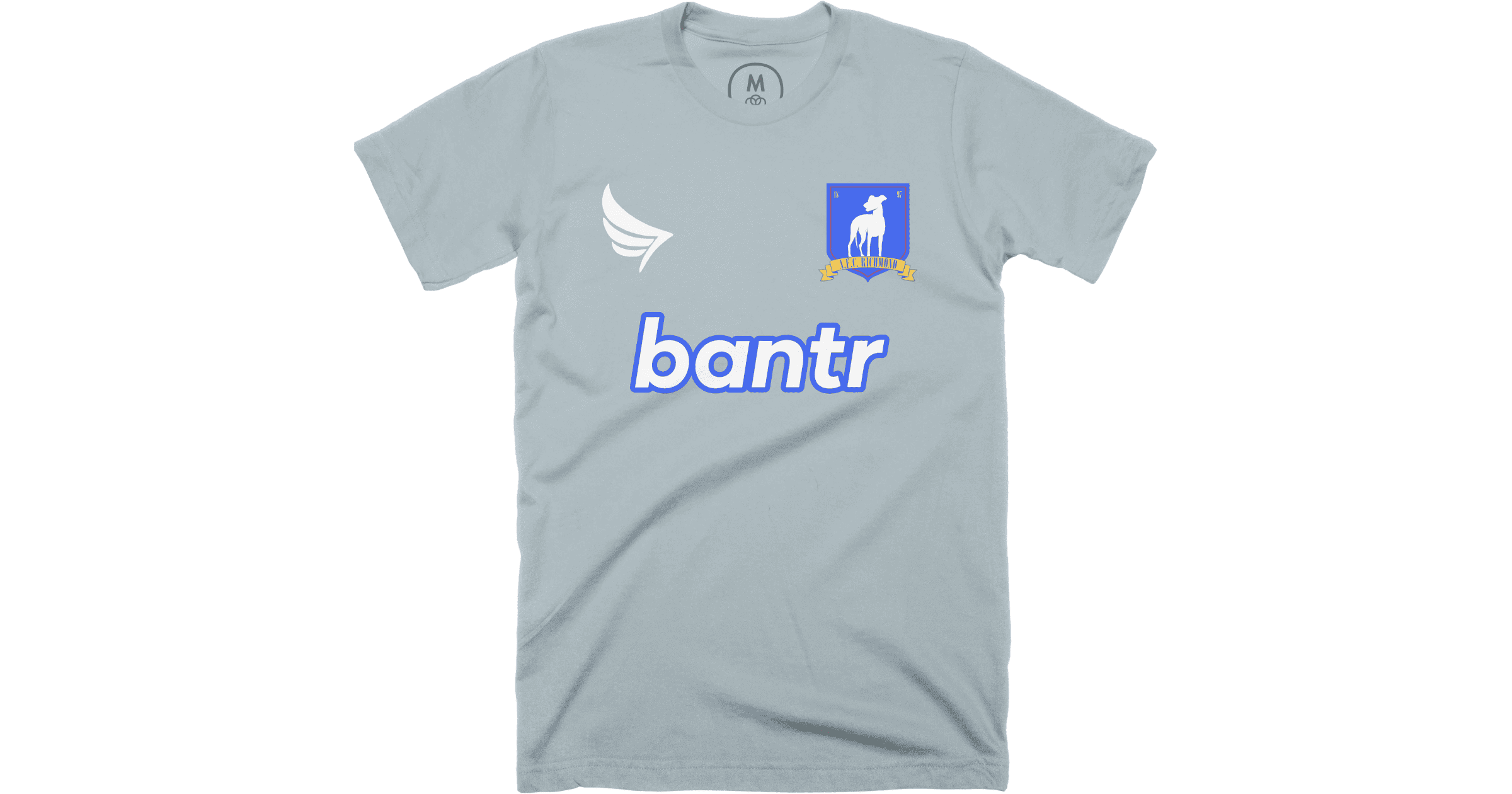
'Ted Lasso', 'For All Mankind', and Other Apple Themed T-Shirts Available to Buy
As we try anddecipher just who Rebecca is speaking to on Bantr, Giant Squid Productions (run by John Moltz – podcast host and guest over on the Incomparable Network) have made t-shirts branded with the fake dating app from Ted Lasso. The range also includes one with the Jamestown space base from For All Mankind, and another with Tim Cook saying “goooood morning,” which made me chuckle. They come in all shapes and sizes!