
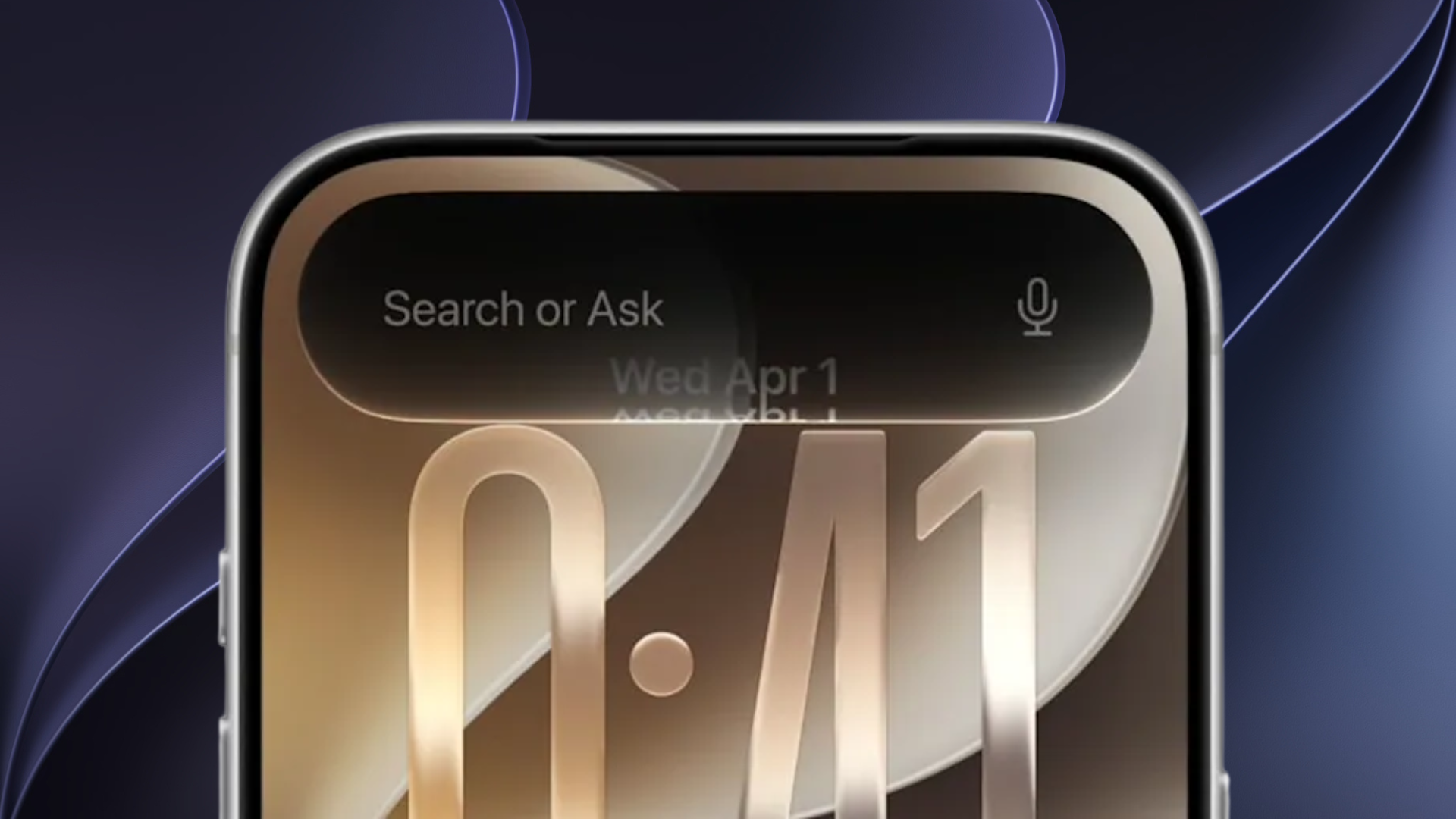
Apple has finally given Siri its biggest upgrade since the voice assistant launched in 2011. With the introduction of Siri AI at WWDC 2026, Siri now understands context better, interacts with apps, remembers personal information, and handles more natural conversations.
The difference between the old Siri and the new Siri AI is substantial, especially for users who rely on Apple’s ecosystem every day.
What Is Siri AI?
Siri AI is Apple’s new AI-powered assistant built on next-generation Apple Intelligence models. Apple redesigned Siri to understand personal context, analyze on-screen content, perform actions across apps, and maintain more natural conversations.
Don’t miss the best of The Mac Observer
Set us as a preferred source and our Apple reporting ranks higher in your Google Search results and Discover feed — one tap, no account changes.
The company says Siri AI processes requests through on-device intelligence and Private Cloud Compute to protect user privacy.
The old Siri primarily handled voice commands, simple searches, timers, reminders, and basic app controls. While useful, it often struggled with follow-up questions and complex requests.
Siri AI vs Old Siri: Quick Comparison
| Feature | Old Siri | Siri AI |
|---|---|---|
| Conversational abilities | Basic voice commands | Natural back-and-forth conversations |
| Personal context | Limited | Understands personal information and preferences |
| Screen awareness | No | Can understand what’s currently on screen |
| App actions | Basic app launching | Deep actions across apps |
| Voice options | Limited customization | More expressive and customizable voice |
| Writing assistance | Not available | Can help write, summarize, and refine content |
| Visual intelligence | Not available | Understands objects and information through the camera |
| Cross-device continuity | Limited | Better syncing across Apple devices |
| Context retention | Weak | Maintains context during conversations |
| Privacy processing | Mostly on-device for simple tasks | On-device plus Private Cloud Compute |
| Interface | Traditional Siri pop-up | New system-wide AI experience |
| Natural language understanding | Basic | Advanced reasoning and language understanding |
Sources: Apple’s WWDC 2026 announcements and Siri AI launch details.
1. Siri AI Understands Personal Context
One of the biggest upgrades is personal context awareness.
The old Siri treated most requests as standalone commands. If you asked a follow-up question, Siri often lost track of what you meant.
Siri AI can securely access relevant information from messages, emails, photos, notes, and other personal data when you give permission. This allows it to answer questions based on your own information and history.
Example
Old Siri:
“Where is John’s address?”
Often required opening Contacts.
Siri AI:
“What’s the address John sent me last week?”
Siri can find that information directly from your messages and provide an answer.
2. Siri AI Can See What’s On Your Screen
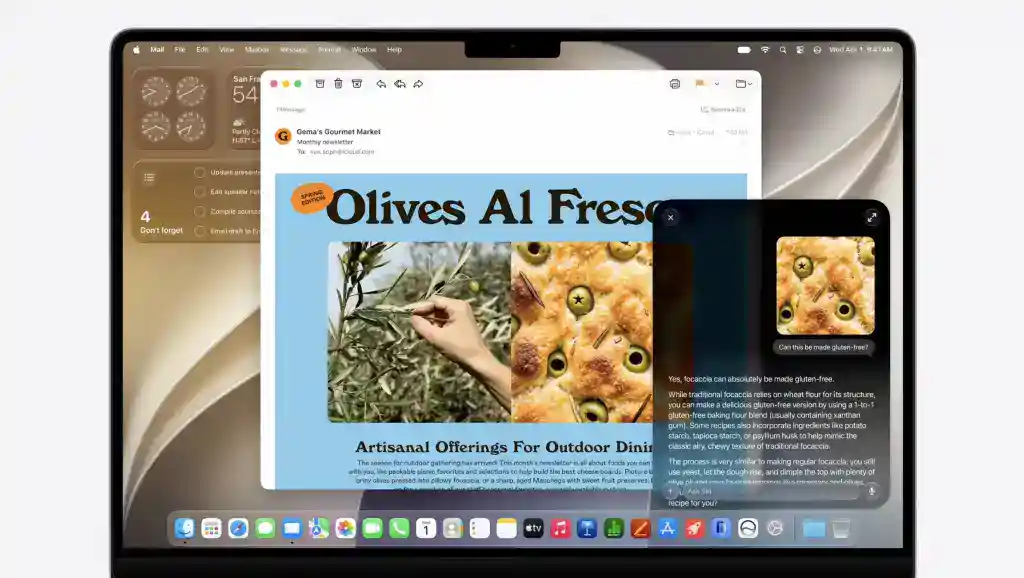
Screen awareness is another major addition.
Old Siri could not understand the content displayed on your iPhone, iPad, or Mac screen.
Siri AI can analyze what you are viewing and take action based on that content. Apple calls this on-screen awareness.
Example
If someone sends you an address in Messages, you can ask Siri AI to add it to a contact, create an event, or open directions without manually copying the information.
3. Siri AI Works Across Apps
Old Siri handled basic app commands like opening apps, sending texts, or setting alarms.
Siri AI can perform complex tasks across multiple applications. It understands intent and can complete actions that previously required several manual steps.
Examples include:
- Creating detailed travel plans
- Managing reminders and calendar events
- Finding information from multiple apps
- Organizing tasks across Apple’s ecosystem
- Performing advanced Shortcuts actions using natural language
4. Conversations Feel More Natural
The old Siri often required exact phrasing and struggled when users changed topics mid-conversation.
Siri AI supports more natural dialogue and maintains context across multiple requests. Users can speak more casually without restarting the conversation each time.
This makes Siri feel closer to modern AI assistants rather than a command-based voice tool.
5. Siri AI Gets a New Voice and Interface

Apple redesigned Siri’s personality and appearance.
The new assistant features more expressive speech and additional customization options for voice style and delivery. Apple also introduced new ways to access Siri across devices.
Users can still say “Hey Siri,” but Apple has also expanded access methods through system controls and interface integrations.
6. Visual Intelligence Adds a New Layer
Old Siri relied entirely on voice and text.
Siri AI now works alongside Visual Intelligence, allowing users to point their camera at objects, locations, products, or information and receive contextual assistance.
This gives Siri the ability to understand the world around you instead of relying only on spoken commands.
7. Better Privacy Remains a Core Focus
Apple continues to emphasize privacy.
While Siri AI uses powerful AI models, Apple says requests are processed either directly on the device or through Private Cloud Compute when additional processing is required. The company states that personal information remains protected throughout the process.
Improvements at a Glance
Siri AI Advantages
- Deep personal context understanding
- On-screen awareness
- Better app integration
- More natural conversations
- Visual Intelligence support
- Improved voice quality
- Enhanced Shortcuts automation
- Cross-device continuity
- Advanced language understanding
- Strong privacy protections
What Old Siri Still Did Well
- Fast voice commands
- Timers and alarms
- Calling and messaging
- Basic navigation requests
- Music playback controls
- Simple smart home commands
Device Compatibility
Not every Apple device will support Siri AI. Apple is limiting some advanced Apple Intelligence features to newer hardware because of the processing power required. Older supported iPhones can still run newer operating systems, but they may not receive every Siri AI capability.
Wrap Up
Siri AI represents Apple’s most significant assistant upgrade to date. The old Siri focused on simple commands and quick actions, while Siri AI understands context, interacts across apps, analyzes on-screen content, and delivers a much more conversational experience.
For Apple users, this marks the beginning of a smarter assistant that plays a larger role across the entire ecosystem.


Discussion