

Apple released iOS 26 on September 15, 2025. The update followed its announcement at Apple’s Worldwide Developers Conference on June 9, 2025 and marked one of the biggest changes to iPhone software in years.
For users, iOS 26 looked and felt different from earlier versions. Apple introduced a new design language called Liquid Glass. This gave icons, menus and controls a semi-transparent, light-refracting effect that aimed to refresh the interface while keeping navigation familiar.
The update also brought improved Apple Intelligence tools. These features worked across the system in apps, in visual search, and in text recognition, making the overall user experience more interactive and context aware.
Don’t miss the best of The Mac Observer
Set us as a preferred source and our Apple reporting ranks higher in your Google Search results and Discover feed — one tap, no account changes.
Changes and improvements since release

Apple has issued multiple updates to iOS 26 since its launch. These addressed bugs added refinements and brought small features that improved day-to-day use. Most of these were incremental, but collectively they improved stability and usability.
Major points over the months
- iOS 26.1 added language support for live translation with AirPods and introduced tinted and clear options for the new Liquid Glass look.
- iOS 26.2 expanded customization with new lock screen controls, offline lyrics support in Apple Music, and automatic podcast chapters.
- iOS 26.3 is a minor update that improved data transfer to Android devices, turned on EU-specific features like advanced notification forwarding and prepared support for end-to-end encrypted messaging.
- iOS 26.4, expected in March or April 2026, promises more substantial additions, including the next generation of Siri with better context awareness and in-app action support.
Here are typical improvements rolling out through the 26.x cycle:
- interface polish and voice command upgrades
- system security and bug fixes
- enhancement to core apps such as Music, Podcasts, Photos
- preparatory features for broader AI integration
These changes reflect Apple’s attempts to evolve iOS while responding to user feedback.
Revamped Siri and AI features coming in iOS 26
Apple delayed some Siri upgrades into 2026, aiming to make the assistant more helpful and aware of user context. Earlier plans for 2025 were pushed so that Siri could gain deeper app integration, personal context recognition, and the ability to act across apps.
Apple said some AI improvements for Siri would arrive later than planned, as the company works to make the assistant more capable and reliable.
Apple and Google announced in a joint statement that they plan to upgrade Siri again soon, using Google’s Gemini generative AI model for more natural understanding and responses. The enhanced Siri could reach users as part of iOS 26.4 or within later updates.
What’s next after iOS 26

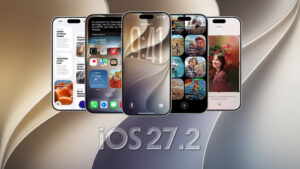
Apple is already working on iOS 27, expected to arrive in fall 2026. The software is likely to be previewed at WWDC in June 2026 and released publicly alongside new iPhones in September.
Early information about iOS 27 points to these areas of focus:
- improved performance and stability
- smarter AI and Apple Intelligence
- further refinements to Siri
- support for advanced features such as foldable iPhone layouts
- enhanced health-related AI tools
Many reports compare iOS 27 to Apple’s “Snow Leopard-era” updates, with a stronger focus on reliability and responsiveness rather than dramatic design changes.
Update timeline:
- iOS 26 public release: September 15, 2025
- iOS 26.x minor updates: late 2025 into early 2026
- iOS 26.4 major feature update: expected spring 2026
- iOS 27 preview and beta: around June 2026
- iOS 27 public launch: expected fall 2026, around new iPhones
This progression shows Apple’s push toward deeper AI integration while smoothing out early design changes introduced with iOS 26.


“improved data transfer to Android devices”: Is that so those of us who want nothing to do with Liquid Glass can switch to a better OS?