
Mobile-focused streaming service Quibi was downloaded 1.7 million times in its first week, according to CEO Meg Whitman.

Apple Registers Coronavirus Domain Name
Apple has registered the domain AppleCoronavirus.com, although it is not currently pointing at a website.

Apple and Google Team Up, Contact Tracing – TMO Daily Observations 2020-04-13
Andrew Orr and Charlotte Henry join host Kelly Guimont to discuss Apple teaming up with Google on new technology for contact tracing, what exactly contact tracing entails, and what sorts of questions come up as a result.

SaniCharge Phone UV Sanitizer: $37.99
We have a deal on another smartphone UV sanitizer called SaniCharge. This device fits Apple iPhone 11 Pro, X, Xs, and 8 Plus, as well as Google Pixel 2 XL, or Samsung Galaxy S10 Note 9 if Android is your thing. It will sanitize your keys, earbuds, jewelry, and anything else that fits. This device is #37.99 through our deal.

The Best Documentaries and Dramas About Apple to Watch While Self-Isolating
We all have a bit more time on our hands to sit and watch films. AppleInsider has compiled a nice list of some of the best ones about Apple.
If there is a movie or feature-length documentary about Apple that is entirely, completely accurate, then still someone depicted will say it isn’t. There’s a lot of ego involved in the history of Apple, but then that’s part of why there is so much drama in it. Maybe you could make a drama out of any company’s history, but it has to be a very special corporation before anyone would watch it. Since movie makers are as aware of the interest in Apple as anyone else, though, there are a lot —a lot —of very poor documentary films attempting to catch your eye. We watched so you don’t have to: here are the movies about Apple that are more than worth your time.

iPhone 12 Could Have Flat, Stainless Steel Design
A report today suggests that the iPhone 12 could have a flat design similar to the iPhone 5 with stainless steel edges.

BMW Could be First Firm to Use Expected 'CarKey' Technology
BMW could be one of the first firms to use Apple’s expected ‘CarKey’ iPhone feature, according to 9to5Mac. The site claims that new iOS 14 codes indicate the carmaker is working with Apple. There is little evidence offered on the specifics. BMW, the company has made clear its commitment to Digital Key development.
The new virtual key technology was first discovered in a beta version of iOS 13.4. New evidence in iOS 14 code obtained by 9to5Mac reveals that Apple is working with BMW to likely be the first carmaker to support the futuristic iPhone feature. 9to5Mac received this non-denial statement from BMW when asked about their involvement. “Please understand that at this point we cannot confirm your request nor give you further details. We would like to refer you to our press release.”
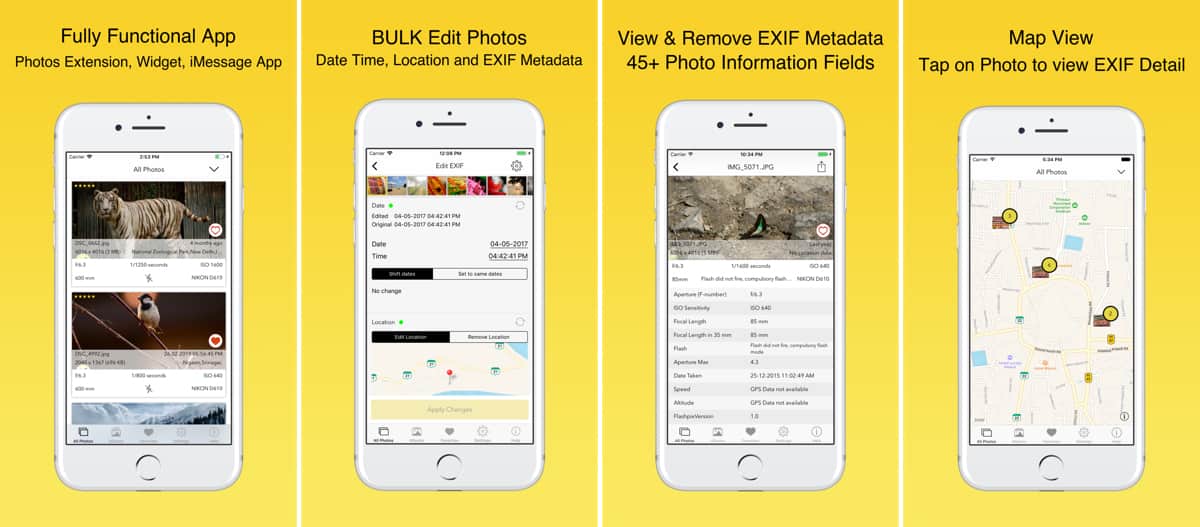
App Sale: EXIF Viewer by Fluntro is Currently Free
Normally US$2.99, EXIF Viewer by Fluntro is free right now. As the name suggests it lets you view the EXIF metadata of photos, which can include location, time stamp, device model, and more. You can delete the metadata using the app as well, which is useful if you don’t want websites like Facebook to read your location from the photo. Most importantly you can bulk edit metadata if you’re working with multiple photos.

UK Working With Apple and Google on COVID-19 Contact-Tracing App
The UK’s National Health Service is reportedly working with Apple and Google to build a COVID-19 contact-tracing app.
Changing the Volume Level...and Icon – Mac Geek Gab 810
Did you know that with just your fingers on your iPhone screen you can slide to adjust the volume or pinch to delete messages? And with an option-click of your Mac’s mouse you can opt-in to distraction free bliss? You will after you listen to this episode, where John and Dave talk you through all of these things… and that’s just the first few minutes! There’s always more to come with Mac Geek Gab, because you’re guaranteed to learn at least five new things or your money back!