How to Find Stalkerware Apps on Your Phone

Stalkerware is a term given to apps that let someone spy on your smartphone activity. They’re also called “spouseware” because they tend to be used by abusers to spy on their partners.

Most of this software ends up on a device through one of two ways: A phishing attack (email or text links that contain viruses and trick you into clicking on them by pretending to be something/someone else), or physical access to the device.

The article is a good read with tips for people in abused relationships.

ISPs Say That Poor People Don't Deserve Fast Internet Speeds

ISPs tell the FCC that poor people don’t deserve fast internet speeds. It wouldn’t be fair on these corporations otherwise.

In a letter [PDF] recording a meeting between the Wireless Internet Service Providers Association (WISPA) and the legal advisors to two FCC commissioners, the industry group “emphasized that the Commission’s goals would be better served by directing support to areas that lack any service at all and those that have access only below 10/1 Mbps.”

I’m continually amazed at the human capacity to be giant d*cks to each other. The amount of hatred leveled at poor people in this country is also a bit scary.

Keyboard Maestro Macro Manager for Mac: $15.20

This is one of those deals I just love to be able to offer! It’s for Keyboard Maestro, a Mac utility most of us use at TMO. Keyboard Maestro lets you set up and run macros, control apps, complete long passages with a few keystrokes, and more. Our deal is for $19, but coupon code GREENMONDAY20 at checkout brings it down to $15.20.

How London Is Hacking its Traffic Lights

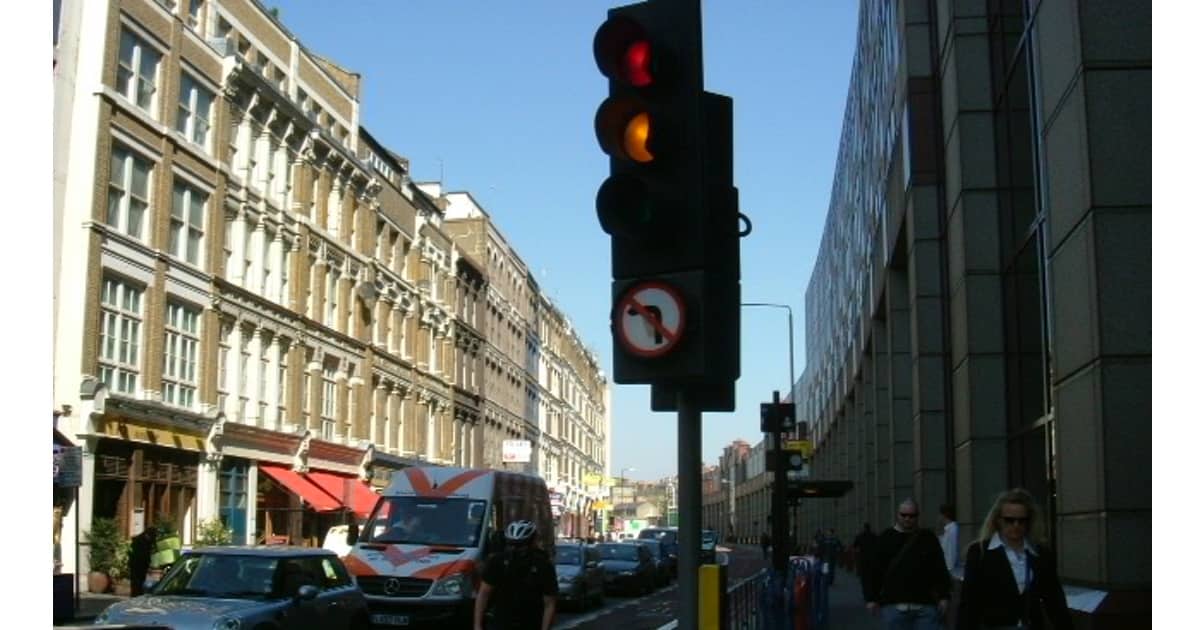
LONDON – There are over 6,000 traffic lights in London, which both pedestrians and drivers need to navigate as they make their way around the city. Wired has a fascinating feature on how the city’s transport authority, Transport for London, is hacking this network of traffic lights to make London more pleasant for pedestrians. What is more, AI and autonomous vehicles is likely to have a huge effect on how this all works in the future.

Such ideas don’t necessarily require technology, new innovations could further change our roads and the signals managing them. For example, researchers are working on ways to get rid of traffic lights entirely, with autonomous intersection management. Rather than wait at a red light, connected, self-driving cars schedule a route through a junction; because speeds and therefore positioning can be perfectly managed, all the cars can go at once, choreographed like a horrifying traffic ballet.