Apple Lands Rights to 'Losing Earth' Climate Change Series

Losing Earth: The Decade We Almost Stopped Climate Change is an epic New York Times Magazine article, and now it’s going to be an Apple television series. Apple bought the rights to the 30,000 word article. The series is produced by Anonymous Content, and the article’s author, Nathaniel Rich, will be involved. From the New York Times:

The “Losing Earth” article recounted how, from 1979 to 1989, a small group of American scientists, activists and politicians tried to save the world from the ravages of climate change before it was too late. The article was produced with the support of the Pulitzer Center and was based on more than 18 months of reporting and over 100 interviews.

Climate change is a big topic, and rightly so. It’s good to see Apple interested in more than just entertainment shows for its original TV content lineup.

Tim Cook Donates More than 23,000 of His Apple Shares to Charity

Apple CEO Tim Cook has donated some 23,215 shares of Apple stock to an unnamed charity, according to an SEC filing uncovered by BusinessInsider. Shares of $AAPL closed at 215.04 on Tuesday, making the value of this donation worth some $4.99 million dollars today. Of course, that value will change over time, and the dividend for those shares will earn the charity $16,947 every quarter. That’s a gift of $67,788 per year that keeps on giving, and it could grow if Apple continues to increase that dividend. In other words, it’s a princely gift from a man who has already promised to give away all his wealth (after providing for the education of his young nephew).

Competitors Eating Away at Amazon Echo Lead. Except Apple

In this report from Statista, the market share, over time, of smart speakers is plotted. The Amazon Echo (family) still has the lead, but share has dropped dramatically over the last year. From 76% to 41%. Competitors are catching up. All except Apple, that is. One wonders if that concerns Apple. Or do Apple executives dream of sour grapes instead of a real fight?

Are Thousand Dollar Smartphones the New Normal?

Vlad Savov writes that thousand dollar smartphones are the new normal.

Three or four years ago, anyone proposing a four-figure price for a phone would have been laughed out of their boardroom meeting. Two years ago, if I’d told you Apple would be successfully selling a phone with a notch in its screen but no headphone jack, at a price of $999, you’d have shaken your head and accused me of wilder wishful thinking than Gene Munster’s Apple TV pipe dream.

This is a nonsensical argument. Smartphones have been around US$1000 for years now. Including tax my iPhone 7 Plus bill was around US$950. I bought it unlocked, and it wasn’t subsidized through a carrier like Vlad has gotten used to. Nothing has changed except the way carriers have split up the cost on contracts.

Apple is a Beacon in a Silicon Valley of the Dead

Writing for Bloomberg, Leonid Bershidsky writes that Apple is “the perfect tech company for this day and age, an example to the rest of Silicon Valley.”

Because this is a time when Amazon is pushing innovations that don’t solve any real-world problems but may create some… This is a time when Google is trying to subvert new privacy regulations to turn them against content producers. A time when Facebook, blasted by media and regulators for ignoring people’s privacy concerns, starts a dating service which will collect people’s most intimate data.

Apple certainly has had its share of issues. But they are issues related to its products, not societal issues. We don’t have to worry any time soon about Apple creating mass surveillance facial recognition systems, advertising systems that belittle media and treat people like products, or secretly track them.

Canada's Police Chiefs Want Easy Personal Data Access with US

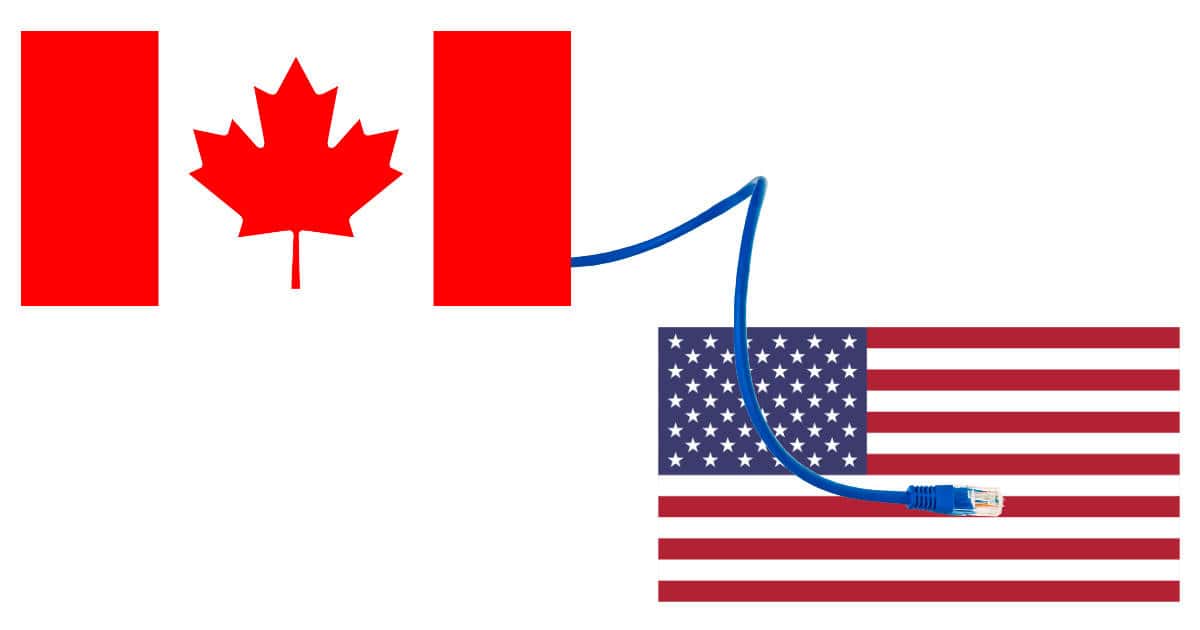
The ongoing push for easier access to our personal data isn’t limited to law enforcement in the United States. Police chiefs in Canada are pressuring their government to strike a deal with the US government to share data from cloud service and mobile devices for investigations without requiring the current procedures they see as inefficient. Canada’s lawmakers, however, aren’t ready to rush in. CTV News says,

But the government and the federal privacy commissioner say more consultation and study are needed to ensure appropriate protection of personal information before taking such a step.

That’s reassuring. The idea that a government isn’t willing to rush to remove personal privacy protections is refreshing. That said, it’ll be interesting to see if that attitude stands.