An NFT on OpenSea Can Steal Your IP Address

An NFT found on the OpenSea marketplace can steal visitors’ IP addresses, according to a repot from Motherboard.

Of course, websites often collect and store visitors’ IP addresses in virtue of how the sites function. OpenSea itself likely collects the IP addresses of visitors, like plenty of other sites, apps, or services. But here, an outside third party—the NFT seller—is able to gather information themselves on the people viewing the NFT, potentially without them knowing.

'The Matrix Resurrections' Now Available to Rent or Buy on Apple TV

The newest movie in the franchise, The Matrix Resurrections is now available to buy or rent on Apple TV. Keanu Reeves, Carrie-Anne Moss, Jada Pinkett Smith, and Lambert Wilson reprise their roles from the previous films, and they are joined by Yahya Abdul-Mateen II, Jessica Henwick, Jonathan Groff, Neil Patrick Harris, and Priyanka Chopra Jonas. The film is set sixty years after Revolutions and follows Neo, who lives a seemingly ordinary life as a video game developer troubled with distinguishing dreams from reality. A group of rebels, with the help of a programmed version of Morpheus, free Neo from a new version of the Matrix and fight a new enemy that holds Trinity captive.

Contactless iPhone Payments May Be Just Around The Corner

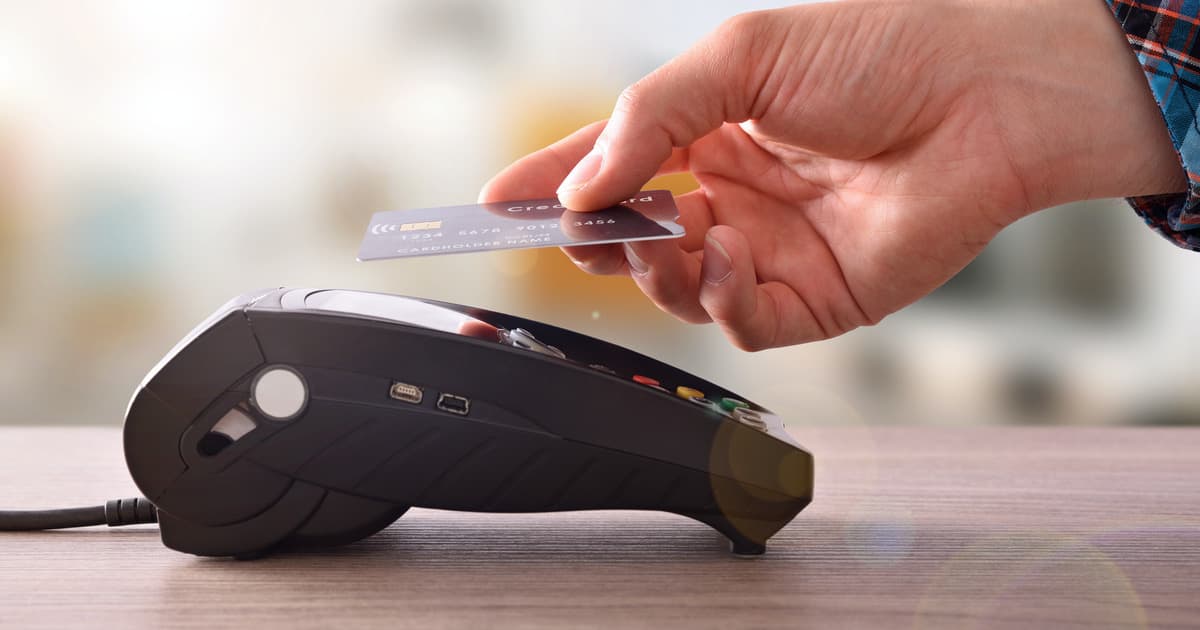
Contactless iPhone payments could be enabled in a future iOS update, Mark Gurman wrote on Wednesday. It means that small business could accept credit card payments directly with an iPhone, without needing a terminal such as Square. Jeff Butts has more information here.

In order to accept payments on an iPhone today, merchants need to use payment terminals that plug in or communicate with the phone via Bluetooth. The upcoming feature will instead turn the iPhone into a payment terminal, letting users such as food trucks and hair stylists accept payments with the tap of a credit card or another iPhone onto the back of their device.

ID.me CEO Admits Company Uses '1:Many' Facial Recognition

ID.me CEO Blake Hall wrote in a LinkedIn post that his company uses 1:many facial recognition. Cyber Scoop explains how this contradicts a press release saying ID.me does not use this technology. 1:many means the technology can identify people within mass databases of photos. It’s the opposite of the 1:1 face match proposed in the IRS + ID.me verification.

“We could disable the 1:many face search, but then lose a valuable fraud fighting tool. Or we could change our public stance on using 1:many face search,” an engineer wrote in a message posted to a company Slack channel on Tuesday. “But it seems we can’t keep doing one thing and saying another as that’s bound to land us in hot water.”