The carrier will start charging customers for the full month after they cancel.
Microsoft Wants to Create a Universal Digital Identity
Microsoft and Mastercard are teaming up to create a universal digital identity that the want everyone to use.
Today’s digital identity landscape is patchy, inconsistent and what works in one country often won’t work in another. We have an opportunity to establish a system that puts people first, giving them control of their identity data and where it is used. Working with Microsoft brings us one step closer to making a globally interoperable digital identity service a reality, and we look forward to sharing more very soon.
This is the same Microsoft that recently pledged to share all of its technology with the United States military. A universal digital identity is an advertiser’s wet dream. It also creates a single point of failure for data breaches and hackers, like a Social Security Number.
How to Use The New Instagram Close Friends Feature
It lets users create a separate list of followers that have special viewing permissions.
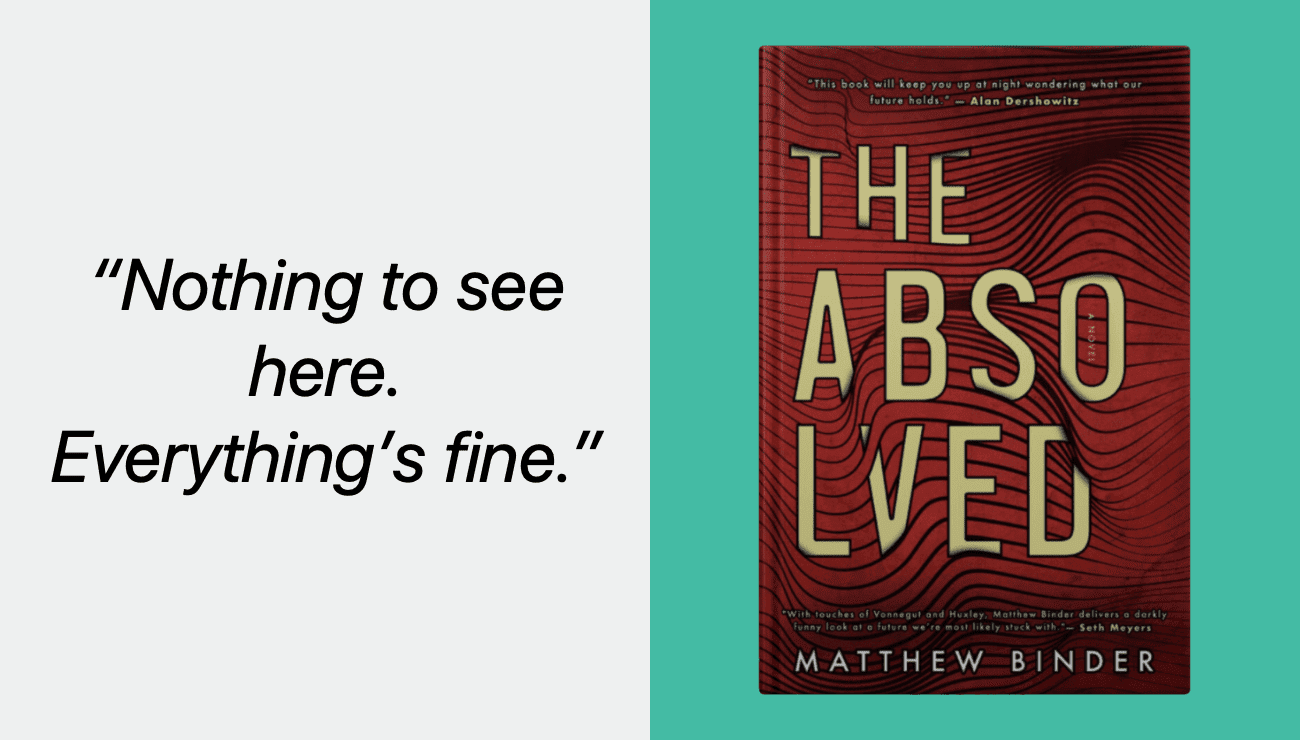
Book: The Absolved by Matthew Binder Hits Close to Home
The Absolved by Matthew Binder feels like one of those books that could predict the future. It’s 2036. We follow along with the character Henri, who is a wealthy physician, husband, father, and “serial philanderer”. He is also one of the relatively few people to still have a job. Automation and other technological advances have led to unemployment so severe that many people are no longer expected to work and are now known as “The Absolved.” Meanwhile, it’s election season, and a candidate from a radical fringe party called the Luddites is calling for an end to the “Divine Rights of Machines.” After Henri is displaced from his job, two Luddite sympathizers—whom Henri has befriended at his local bar—frame him for an anti-technology terrorist act. The prospect of Henri’s salvation comes at the cost of foregoing his guiding principles in life. This new vision for the world, after all, just might prove better than the technological advancements that, paradoxically, have left humanity out in the cold. Apple Books: US$3.99

Real-World Speeds, Choosing Storage, and Quick Tips – Mac Geek Gab 738
Ever have a disk drive or Wi-Fi device that doesn’t get quite the advertised speeds? Yeah, so have we. In fact, it happens all the time. Listen this week as John and Dave discuss the differences between advertised maximums and real-world expectations… and how to translate between the two. Of course, that’s not all! More questions and Quick Tips than you can shake a stick at. Press play, download, and enjoy!
Apple Launches Online Store for U.S. Military and Veterans with 10% Discount
Similar to the company’s long-running education store, “current and Veteran members of the U.S. Military, National Guard and Reserve,” and their families, will be able to buy Apple products with a 10% discount.
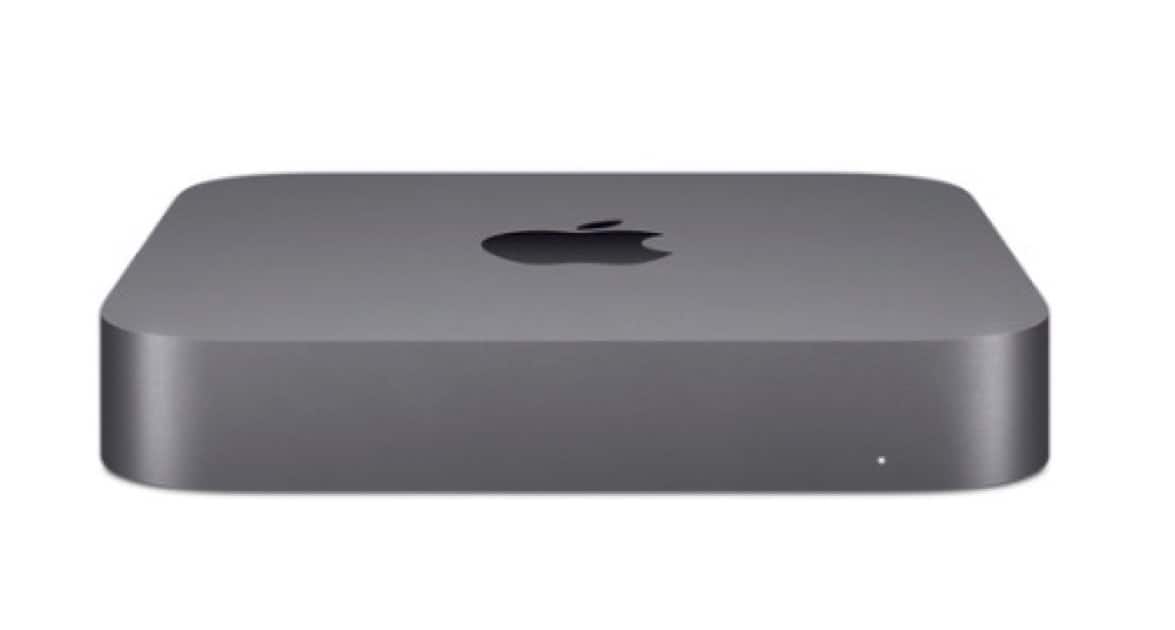
A Raging Argument: 2013 Mac Pro or 2018 Mac mini?
Peter von Panda anguished over his decision. Would a used 2013 Mac Pro be a better choice for the money than a 2018 Mac mini? The debate rages on.

TMO Background Mode Interview with Smile Software Evangelist Jeff Gamet
Jeff Gamet is the former Managing Editor of The Mac Observer (TMO), a position he held for 13 years. He’s also a book author and noted podcaster. Recently, he left TMO to become the Smile Software TextExpander Evangelist.
I asked Jeff to tell the TextExpander story, what it does, why it’s essential, and how to get it. Then we chatted at length about his job transition process. That meant new tools, new logins, a new daily routine, a new team and new boss. I asked Jeff about the biggest challenge he faced as well as how what he learned at TMO carried over to his new job. I also asked Jeff how he felt about the change in his “voice” and change in public profile. We closed with some things Jeff will be doing in his new position at Smile.
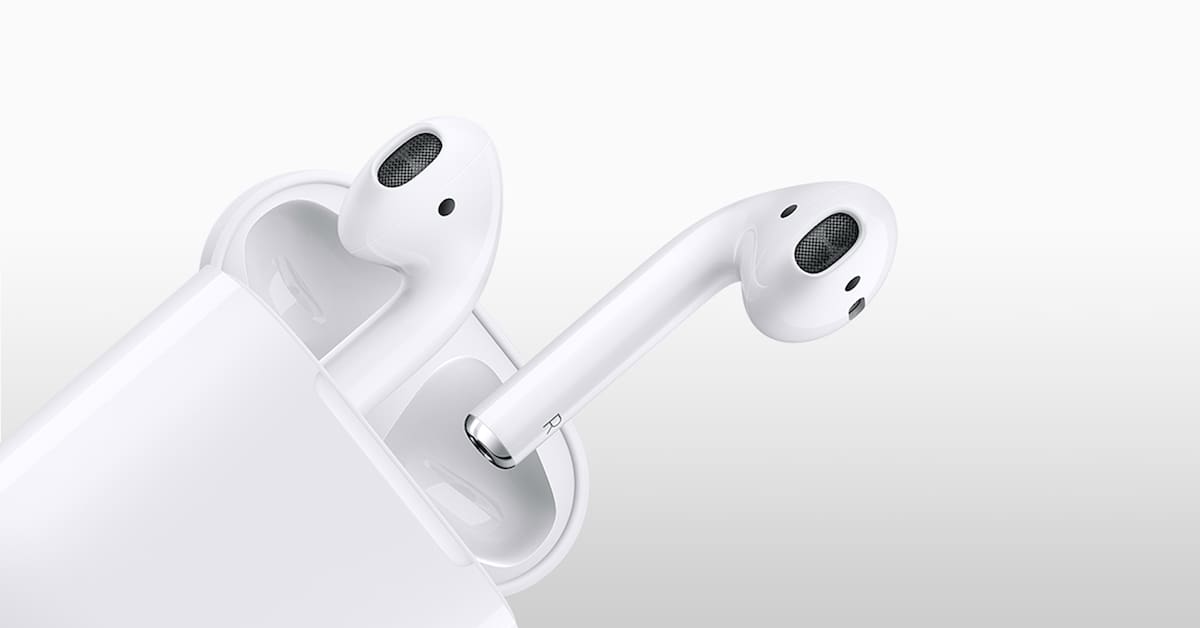
Ming-Chi Kuo: AirPods Wireless Charging Coming 2019, New Model in 2020
Renowned Apple analyst Ming-Chi Kuo has predicted wireless charging for AirPods will arrive in 2019, with a new model dropping in 2020.
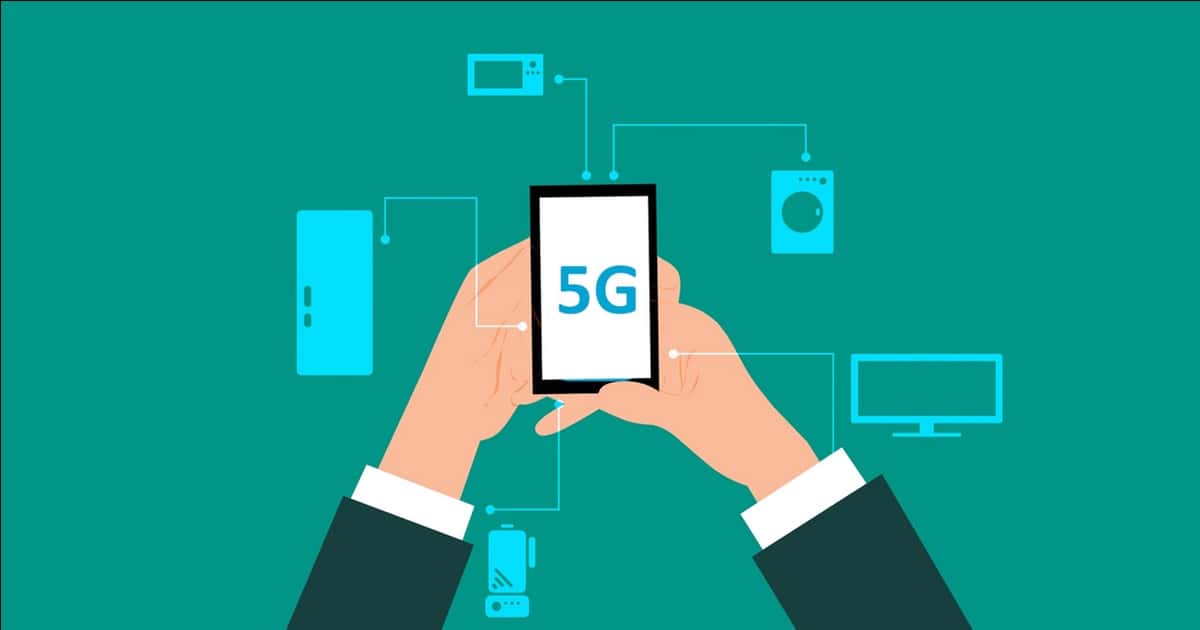
5G Not Coming to iPhone Until 2020
iPhone users will not have 5G connectivity until 2020, according to Bloomberg. Citing people familiar with the plans, Bloomberg reported that Apple will follow the path it took with 3G and 4G and wait before offering devices that can connect to the 5G network. There is also speculation that Apple’s ongoing feud with chip-maker Qualcomm may have been involved with the time frame. However, Qualcomm’ CEO Steve Mollenkopf said recently that he expects that dispute to be resolved in the coming months.
Apple’s previous calculations — proven correct — were that the new networks and the first versions of rival smartphones would come with problems such as spotty coverage, making consumers less compelled to immediately make the jump. This time, 5G boosters argue the switch is a much bigger speed upgrade, making Apple’s decision to wait riskier. The networks will open the floodgates to new types of mobile computing, 5G advocates say.