
John Gruber says wireless charging is definitely coming to the iPhone this fall, but won’t be available at launch.

New Leak Says iPhone 8 Getting a Mirror Finish
A new rumor claims the iPhone 8 will have some serious bling action thanks to a “mirror like” color option.

Migrating Mail, Managing your Monitor, and More! – Mac Geek Gab 665
Lots of summer-related Cool Stuff Found here, including stuff for hearing your music while you’re out enjoying the outdoors. Don’t worry, southern-hemisphere friends, we’ve got plenty of stuff for you, too, including a new mesh wireless system to discuss. The Q&A portion of the show covers migrating mail, operating with the monitor off (desirably and not-so-much). All this and more. Press play and enjoy!

InVID Says It Can Help Detect 'Fake News' Videos
InVID’s Chrome plugin is the front end to a sophisticated backend that sifts through metadata, information from the videos themselves, and social media information that a journalist—or anyone—could then use to determine whether a video is “fake.”
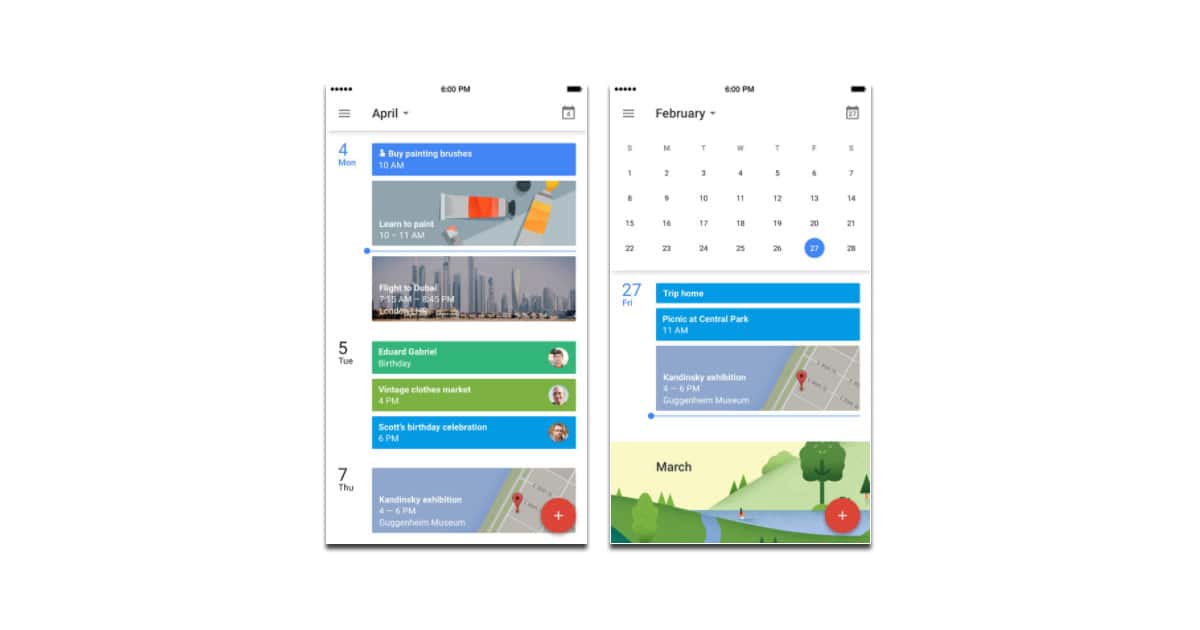
Google Calendar App for iPhone Adds Today Widget
Google rolled out an update for its iPhone and iPad Calendar app on Friday that adds a Today Widget. That’s a long overdue and welcome addition to the app because it makes it easier for Google ecosystem fans to stick with just the apps they want to use instead of relying on Apple’s Calendar app for viewing schedules from the Home screen. Google Calendar 2.4 is a free download on Apple’s App Store and requires a free Google account.
Use a RADIUS Server to Control Wi-Fi Authentication in Your Home
After our discussion about using RADIUS for Wi-Fi authentication in Mac Geek Gab 664, listener John Skinner set to work on a how-to:
If you have a Mac with a wired ethernet jack, an Airport base station capable of doing WPA2 Enterprise, and $20 (to buy macOS Server in the Mac App Store), you can set all this up! Then you will be able turn on and off access to your WiFi network, per user.
It’s that last bit that explains “why?” With Personal WPA2 Wi-Fi, everyone shares the same password. With Enterprise WPA2, each person has their own password. The RADIUS server is the key to making this happen.

Qualcomm Tries to Block iPhones in the U.S. in New Apple Lawsuit
According to the chipmaker, Apple infringed upon six patents that Qualcomm owns.

Tidal's Dwindling Exclusive Deals, Touch ID Isn't Dead Yet - TMO Daily Observations 2017-07-07
Bryan Chaffin and John Martellaro join Jeff Gamet to share their perspective on Tidal’s dwindling exclusive artist deals, plus John shares his insight on Apple and Touch ID.

Who Would Apple's Tim Cook Pick to Succeed Him?
Every corporation has a succession plan for its CEO, so what might Apple’s look like?

Neutron C Magnetic Car Mount: $16.99
We have a deal on the Neutron C Magnetic Car Mount for your iPhone or other smartphone. It attaches to your car’s dash via a special adhesive tape, and you use the same tape to attach a magnetic disk to your device or its case. That disk then sticks to the mount, and you’re good to go.