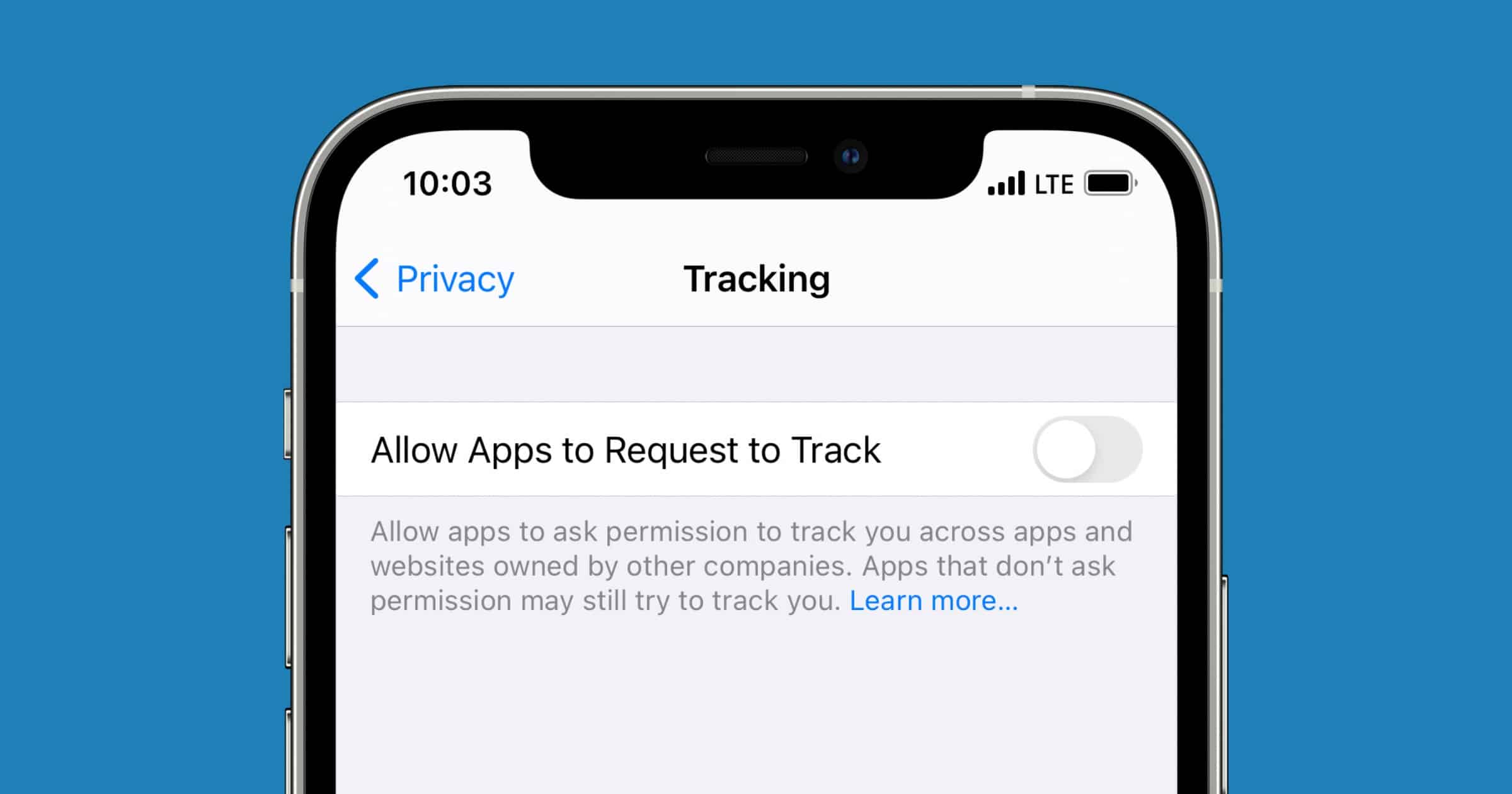
In Thursday’s update to developers, Apple says it will enhance SKAdNetwork and add Private click Measurement support for apps.
privacy
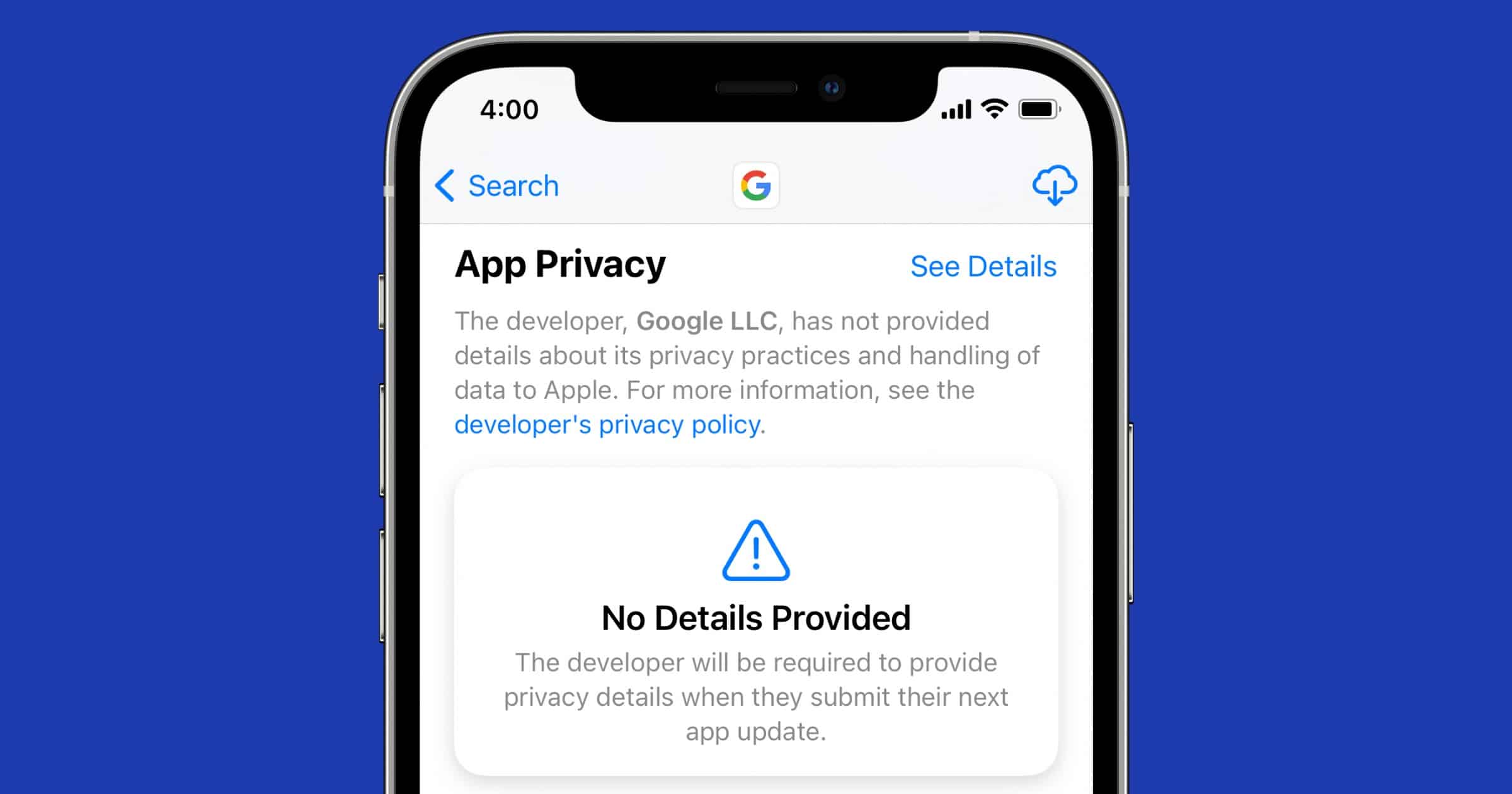
Google Still Doesn’t Have iOS 14 Privacy Labels
I’ve been hesitant to keep sharing these stories. At the time this news first appeared I was skeptical, saying that we just got over the holidays so give Google a break. But as the days turn into weeks, this is when it does start to look damning and now it’s time to give Google some heat.
On January 5, Google told TechCrunch that the data would be added to its iOS apps “this week or the next week,” but both this week and the next week have come and gone with no update. It has now been well over a month since Google last updated its apps.
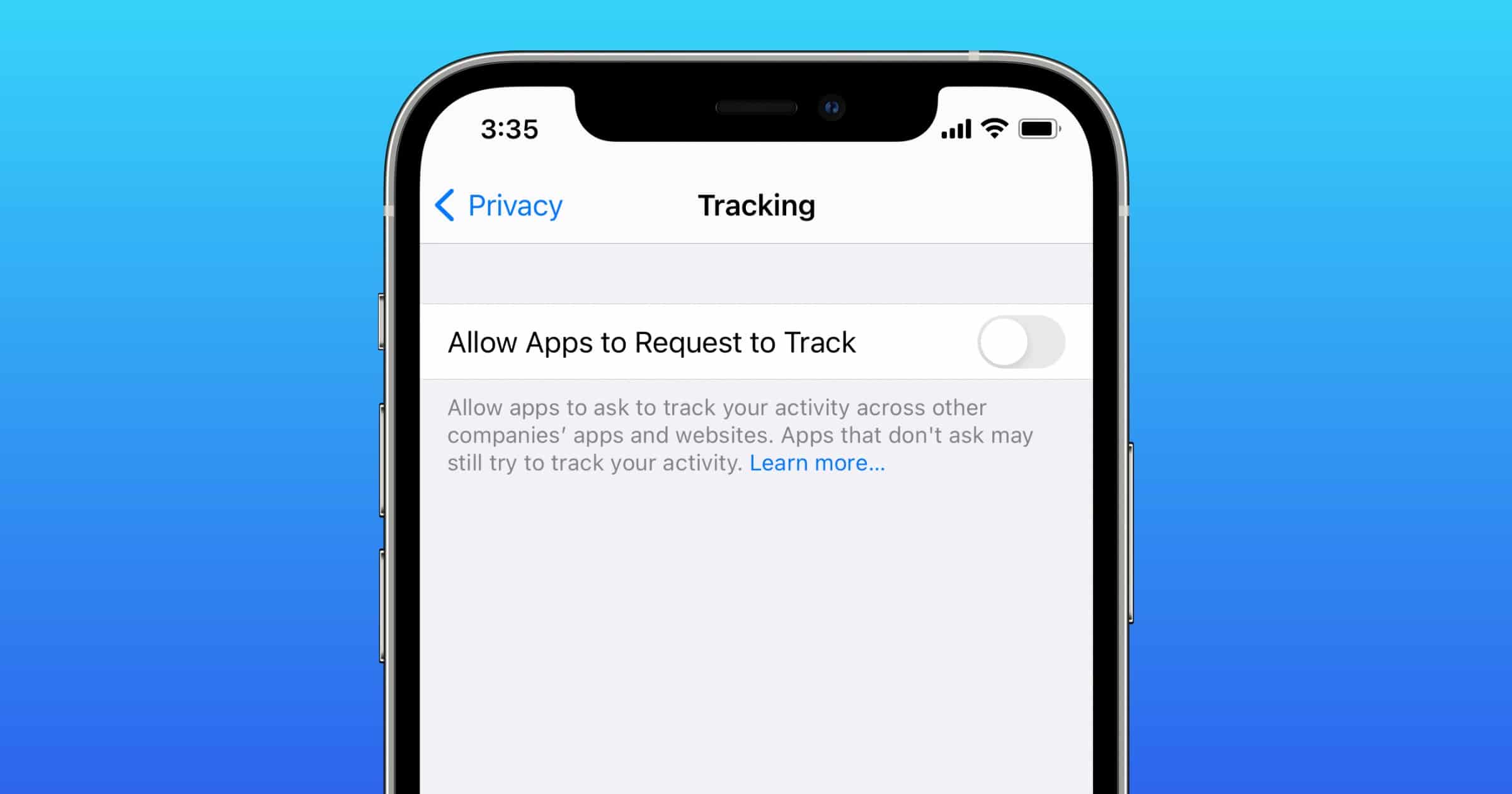
Dating App Bumble Latest to Warn of Apple’s Privacy
Dating app Bumble filed its IPO on Friday with the U.S. Securities and Exchange Commission, mentioning iOS 14 privacy as a potential risk.

Security Friday: Encryption Updates, Reviewing Permissions – TMO Daily Observations 2021-01-15
Andrew Orr joins host Kelly Guimont to discuss Security Friday news and how January is a good time to review all those Sign In With… buttons.
Facebook Tells Businesses it has ‘No Choice’ to Comply With iOS 14
Facebook sent an email to its advertising customers saying that it has no choice but to comply with iOS 14’s App Tracking Transparency.

Intel Releases ‘RealSense ID’ Facial Authentication Technology
Intel released a new technology called RealSense ID on Wednesday. It’s a device for facial authentication that can be used in various devices.
Even Facebook Submitted Privacy Labels. How Bad Could Google’s Be?
The last update for Google’s iOS apps was on December 7, one day before App Store privacy labels went into effect. Is Google delaying the inevitable?
As for why Google might be trying to delay revealing its privacy label information, it’s possible the company saw all the bad press Facebook got when the social media giant was forced to reveal all the ways its apps track users, and the press and social media reactions spooked the company. Facebook Messenger’s privacy labels are horrifyingly long, for example.
For this one I’m going with a modified version of Hanlon’s Razor: “Never attribute to malice that which is adequately explained by the holidays.” I haven’t gotten updates for a bunch of other apps, either.
Hey Ho, Let's Go (To a New Year) – TMO Daily Observations 2020-12-31
Andrew Orr and Charlotte Henry (aka Team Nightmare) join host Kelly Guimont to discuss their standout moments of 2020 and send it off properly.
Apple, Google, Microsoft, Mozilla Take on Kazakhstan Government
Apple, Google, Microsoft, and Mozilla are teaming up to ban a root certificate used by the Kazakhstan government to decrypt HTTPS traffic for residents in the country’s capital, the city of Nur-Sultan.
Kazakh officials justified their actions claiming they were carrying out a cybersecurity training exercise for government agencies, telecoms, and private companies.
The government’s explanation did, however, make zero technical sense, as certificates can’t prevent mass cyber-attacks and are usually used only for encrypting and safeguarding traffic from third-party observers.

Facebook Warns of iOS 14 Privacy With App Banners
Facebook’s latest move is to display banners in its business apps saying there will be an impact to marketing efforts. In this case, the “users” that Mr. Espósito refers to in his article are the actual users—the advertisers. This banner is seen in Facebook Business Suite and Facebook Ads. The problem with Facebook’s argument though is that, like Tim Cook tweeted, they can still track you across all the apps like before. What angers Mark Zuckerberg is user consent (sorry, product consent, products being the people that use Facebook).
The fact that Facebook is now showing these messages in its iOS apps criticizing Apple demonstrates that the company is trying to get popular appeal to change Apple’s mind about its new App Store privacy rules.
Use This Guide to Manage Your Apple Device and Data Access
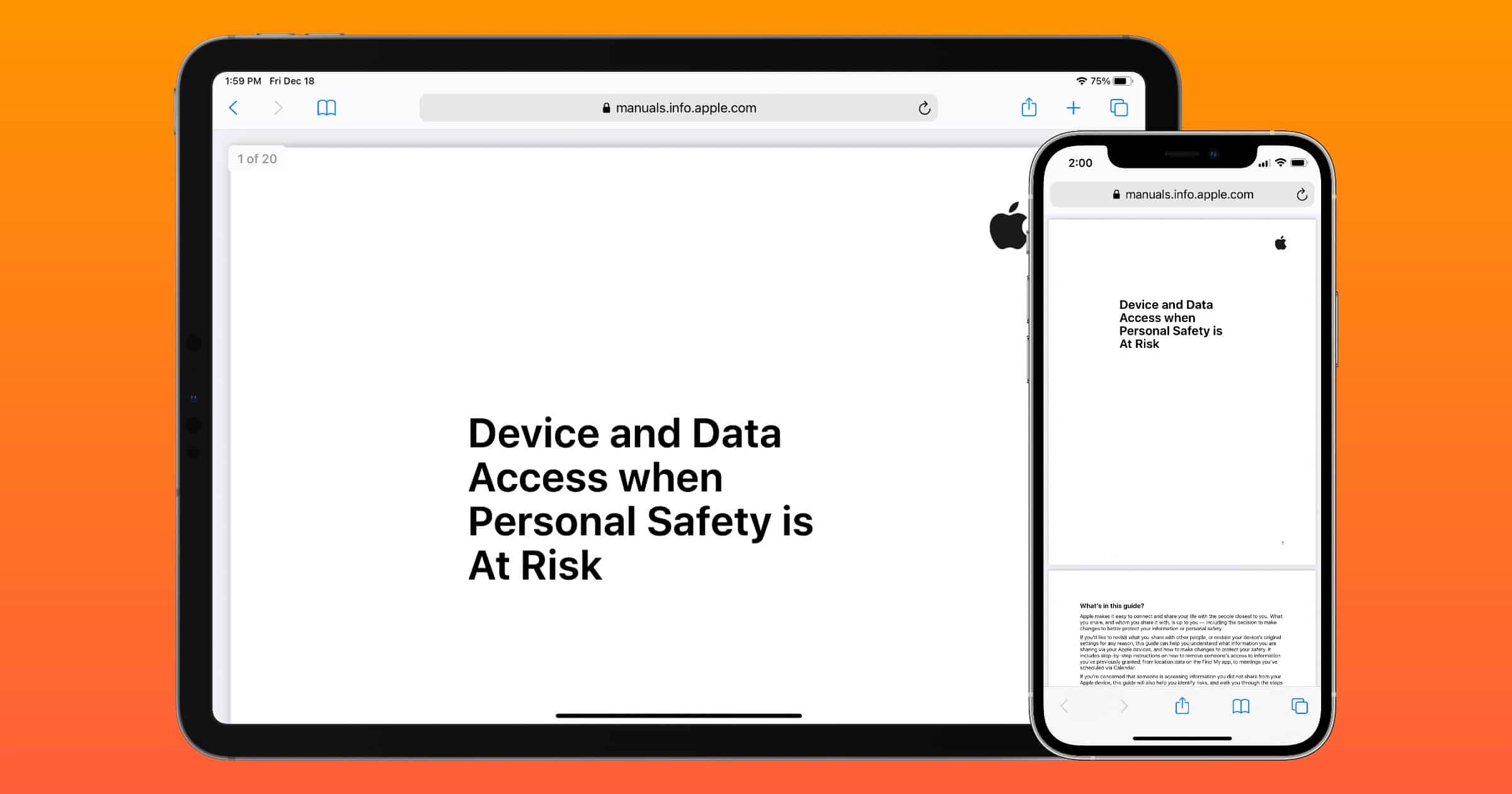
Apple has a new 20-page guide available called Device and Data Access when Personal Safety is at Risk.
Apple vs Facebook, Facebook vs Privacy – TMO Daily Observations 2020-12-17
Bryan Chaffin and Dave Hamilton join host Kelly Guimont to discuss the latest back and forth between Apple and Facebook over user privacy.

Apple Hits Back at Facebook in Response to Social Media Giant's Newspaper Ads
Apple has hit back at Facebook and defended its stance on iOS privacy, following adverts in major newspapers from the social media giant.
Private Messenger ‘Signal’ Adds Encrypted Group Video Calls
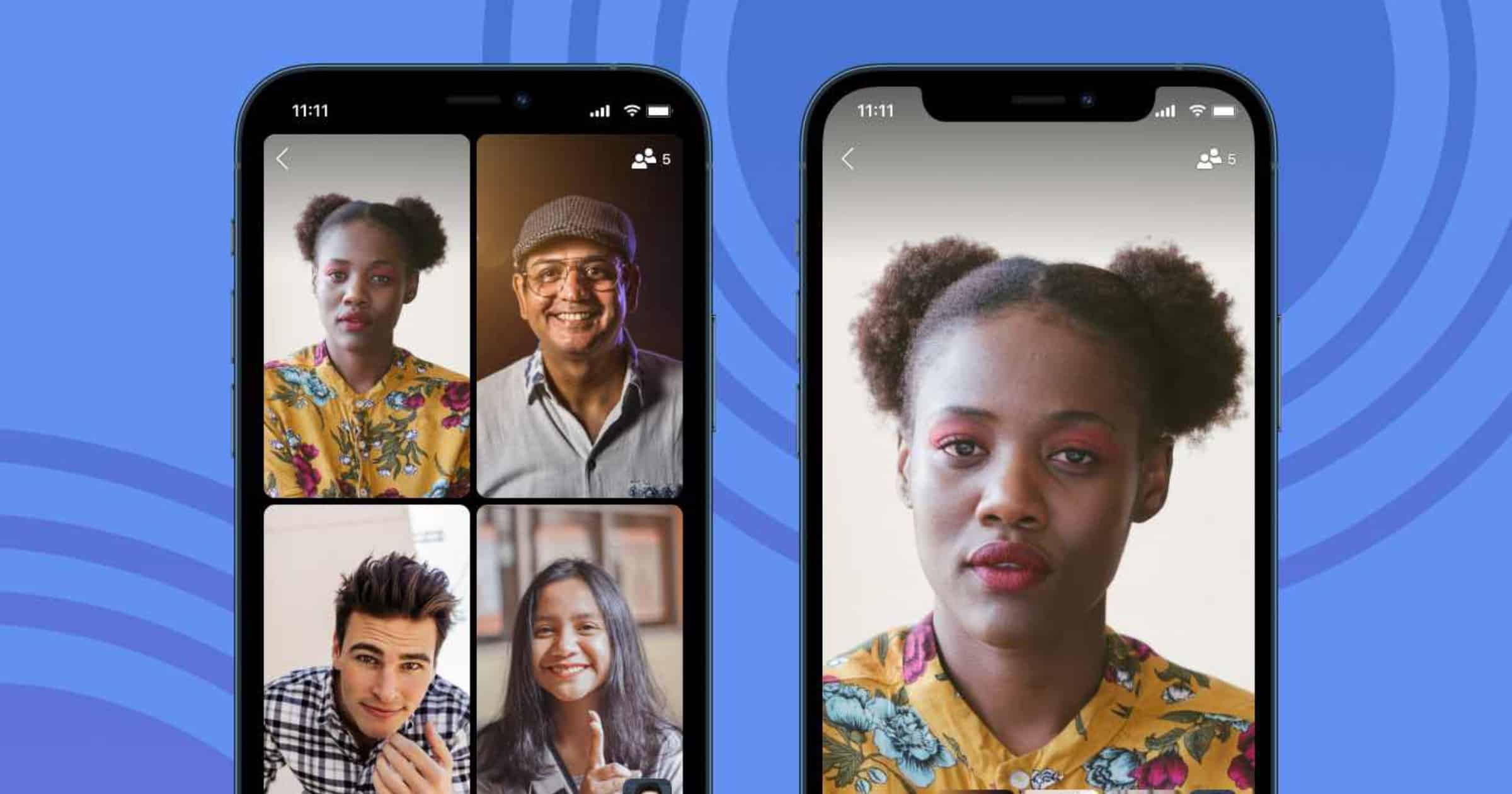
Good news for users of Signal. The app now supports group video calls, and they are end-to-end encrypted like the rest of the app’s communications.
Now when you open a group chat in Signal, you’ll see a video call button at the top. When you start a call, the group will receive a notification letting them know a call has started.
When you start or join a group call, Signal will display the participants in a grid view. You can also swipe up to switch to a view that automatically focuses the screen on who is speaking, and it will update in real time as the active speaker changes.
Apple Overhauls Privacy Policy, Makes it Easier to Read
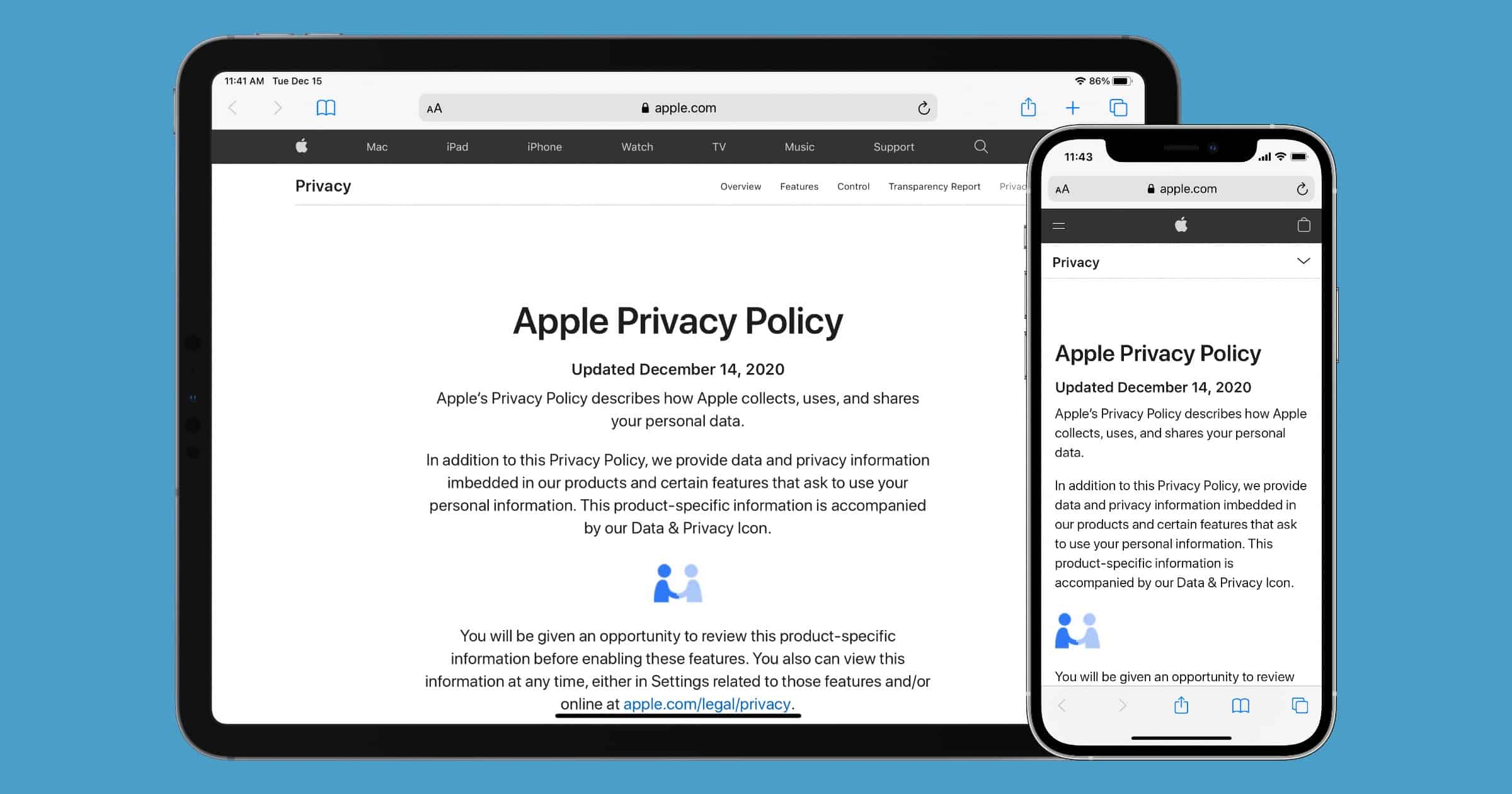
Apple has redesigned its privacy policy page on Monday to make it a bit easier to read and it’s now separated into distinct, clickable sections.
FTC Launches Major Investigation into Tech Privacy
The Federal Trade Commission (FTC) launched a huge investigation into privacy and data collection practices at major tech firms on Monday. Axios had the scoop.
The big picture: The move comes amid broader scrutiny for the industry and appears to be a wide-reaching inquiry into everything major tech companies know about their users and what they do with that data, as well as their broader business plans. Details: The FTC is asking for a large trove of information and documents from the above platforms, plus Discord, Reddit and Snap. The agency wants much of the usage and engagement data the platforms collect on their users, the metrics they use for measuring such things and short- and long-term business strategies, among many other areas of inquiry.
Apple Will Ban ‘X-Mode’ Data Broker From its Platforms
A report from The Wall Street Journal reveals that Apple and Google are banning a data broker called X-Mode from collecting location data from their platforms. (Non-paywalled version here). This is due to X-Mode links to selling data to government contractors involved in national security as Vice reported.
Both Apple and Google disclosed their decision to ban X-Mode to investigators working for Sen. Ron Wyden (D., Ore.), who has been conducting an investigation into the sale of location data to government entities.
How to Safely See Your Top 9 Instagram Photos of 2020
Your Top 9 Instagram posts of each year is a trend that has been going on for several years now. You probably don’t want to give websites access to your Instagram account just to see these photos. Or, maybe you don’t care. In any case, CNN has a short guide to safely do it with apps called Top Nine and Best Nine.
When you give your email to Top Nine, the service uses it to send you your yearly roundup, but may also contact you in the future for marketing, the company’s privacy policy says. The emails may come from Top Nine and its affiliate companies, but each one will contain instructions on how to “opt-out” of these messages.
If it doesn’t automatically use your email from Instagram, you could try a disposable email service like TempMail.

Ahead of Apple’s ATT, WhatsApp Explains its Privacy Labels
Ahead of the upcoming iOS 14 App Tracking Transparency feature, Facebook-owned WhatsApp explains the privacy labels people will see on its App Store page. The app will collect contact information like your phone number, your (optional) email address, contacts, financial information to use certain features, shopping activity like product browsing and purchasing data, your IP address, general location, usage data, and diagnostics.
With end-to-end encryption, messages are not stored on our servers after they’re delivered, and in the normal course of operating our services we do not retain a record of the people you may message.

Will Apple’s Crackdown on Data Tracking Hurt Small Businesses?
Ben Thompson publishes good analysis on Stratechery, but I don’t agree with his latest piece. It’s about Apple’s privacy campaign and the new iOS 14 privacy “nutrition labels.” If I understand them correctly, he seems to have two main points: We should feel bad for small businesses because they won’t be able to collect our data in the same capacity as before, and that Apple’s attempts are futile because the internet is a giant shopping mall and “personal data wants to be free.” My summary is an oversimplification but I believe we should be combining Apple’s privacy with regulation like GDPR. In my opinion you can still have ads that don’t invade your privacy.
While transparency for customers is definitely a good thing, Apple’s simultaneous appeals to analog analogies and simplistic presentation of privacy trade-offs risks a similar path when it comes to the GDP of the Internet and to what extent power is disbursed versus centralized.

How the U.S. Used the Patriot Act to Track Web Browsing
Government entities have been using Section 215 of the Patriot Act as justification to collect logs of web browsing activity.
In fact, “one of those 61 orders resulted in the production of information that could be characterized as information regarding browsing,” Mr. Ratcliffe wrote in the second letter. Specifically, one order had approved collection of logs revealing which computers “in a specified foreign country” had visited “a single, identified U. S. web page.”

5 Encrypted DNS Services to Use on iOS and macOS
Switching from your ISP’s DNS is good because your browsing history could be sold. Here are five encrypted DNS services to use instead.

Amazon Sidewalk Shares Your Wi-Fi With Neighbors
Amazon Sidewalk is a new initiative by the company that creates a low-bandwidth network pooled from the personal networks of Amazon device owners.
Amazon Sidewalk is a shared network, coming later this year, that helps devices like Amazon Echo devices, Ring Security Cams, outdoor lights, and motion sensors work better at home and beyond the front door. When enabled, Sidewalk can unlock unique benefits for your device, support other Sidewalk devices in your community, and even open the door to new innovations like locating items connected to Sidewalk.
Of course, there are numerous privacy and security concerns, although Amazon does claim it has “strong encryption” without going into details.
Facebook Responds to Apple’s Criticism of Data Monetization
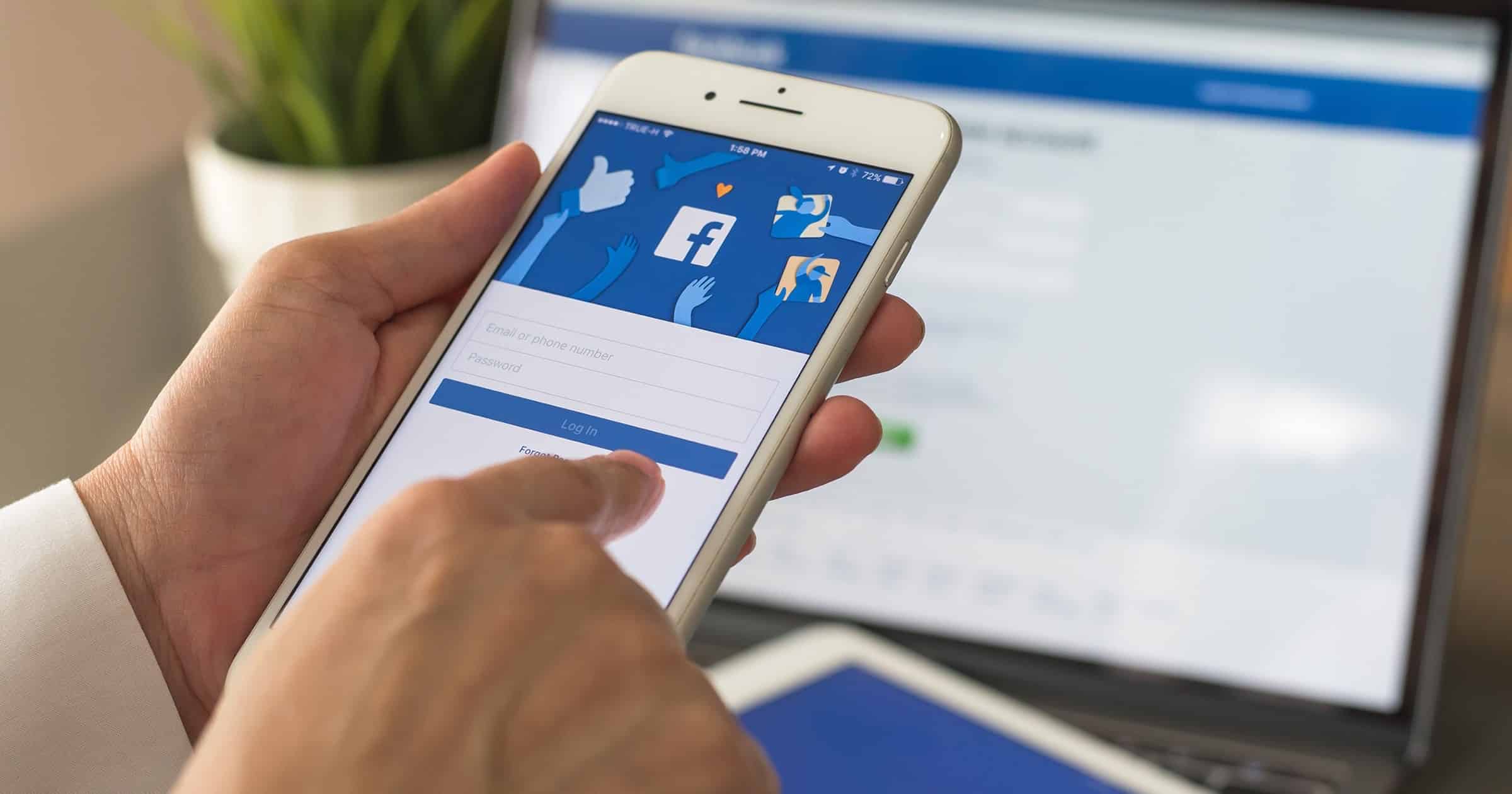
On Thursday, Apple defended its iOS 14 anti-tracking feature in a letter to privacy groups like the EFF, criticizing data collection practices like those used by Facebook. Naturally, Facebook responded.
[Apple] are using their dominant market position to self-preference their own data collection while making it nearly impossible for their competitors to use the same data. They claim it’s about privacy, but it’s about profit.
Fortunately, of course it’s possible to be private and profitable simultaneously. Paid apps and services hopefully incentivize developers to monetize their talent, not our attention through tracking and ads.