
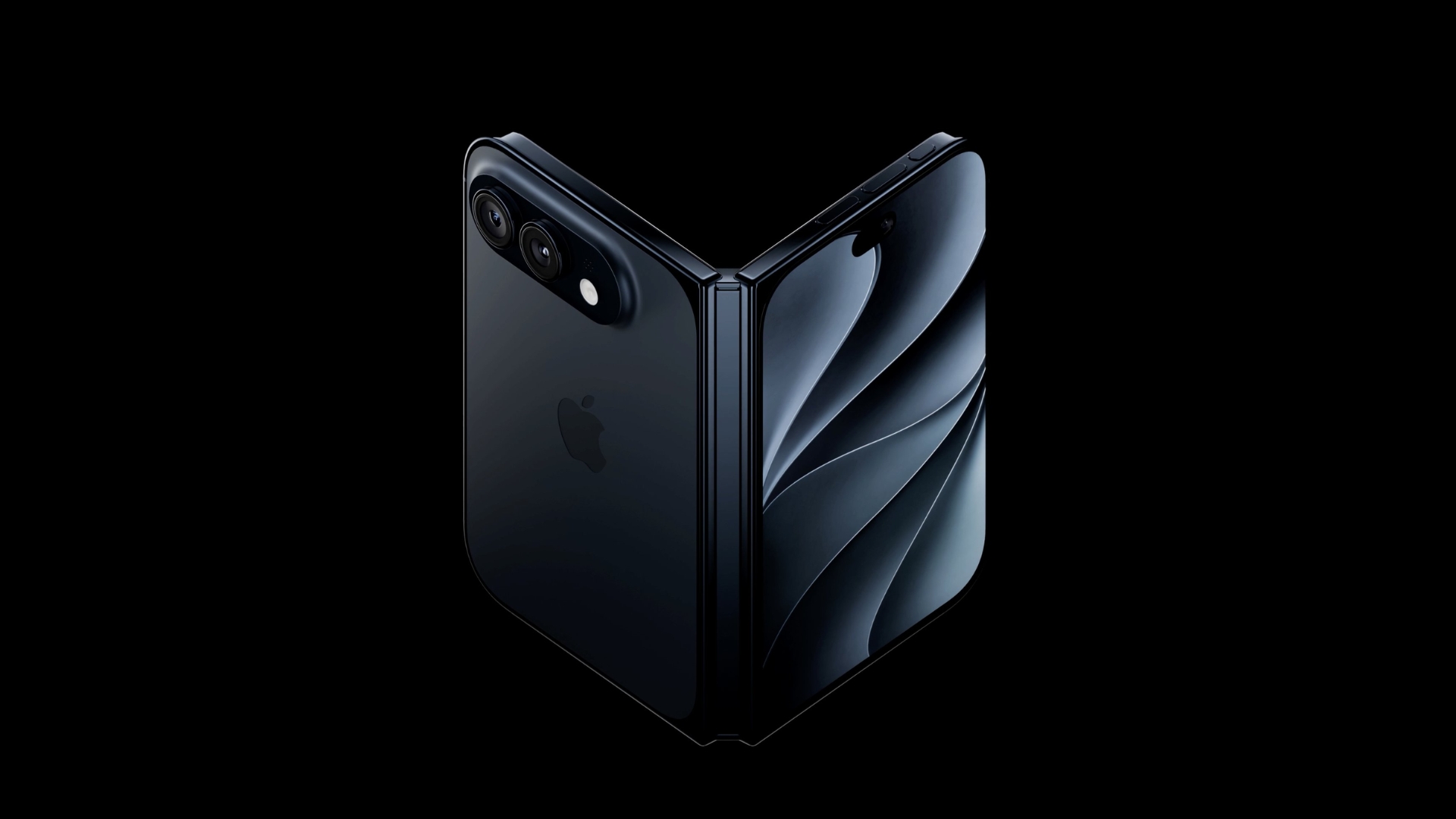
Apple is hours away from its September 9 keynote, and its first foldable iPhone is shaping up to be the biggest announcement of the event. After years of reports calling the device the iPhone Fold or iPhone Ultra, the latest information points to a new name: iPhone Duo.
Apple has not confirmed the device publicly, so the name and specifications remain unofficial until the keynote. However, several major details have now appeared across independent reports, including a $2,000 starting price, two OLED displays, the A20 Pro chip, Touch ID, dual rear cameras, and an October release window.
Here is everything we know about the foldable iPhone Duo before Apple takes the stage.
Don’t miss the best of The Mac Observer
Set us as a preferred source and our Apple reporting ranks higher in your Google Search results and Discover feed — one tap, no account changes.
iPhone Duo specifications at a glance
| Feature | Expected specification |
|---|---|
| Design | Book-style foldable |
| Inner display | Around 7.7 to 7.8 inches |
| Cover display | Around 5.3 to 5.5 inches |
| Processor | A20 Pro |
| RAM | 12GB rumored |
| Rear cameras | Dual 48MP cameras |
| Authentication | Side-mounted Touch ID |
| Modem | Apple C2 expected |
| Operating system | iOS 27 |
| Starting storage | 256GB |
| Starting price | $2,000 |
| Colors | White and dark blue |
| Announcement | September 9, 2026 |
| Release | As early as October 2026 |
A book-style design with two displays
Apple appears to have settled on a book-style design similar to Samsung’s Galaxy Z Fold family. When closed, the iPhone Duo is expected to offer an approximately 5.5-inch OLED cover display that works like a regular iPhone screen.
Opening the device reveals a much larger display measuring roughly 7.8 inches. Some reports give slightly smaller measurements of 5.3 inches outside and 7.7 inches inside, although the general dimensions have remained consistent throughout development.
The inner screen reportedly uses a wider shape close to a 4:3 aspect ratio, giving apps more horizontal room than many existing foldable phones. This layout should make websites, documents, photos, video, and multitasking feel closer to using a small iPad.
We previously covered the developing specifications in our complete foldable iPhone roundup.
Apple has focused heavily on reducing the display crease
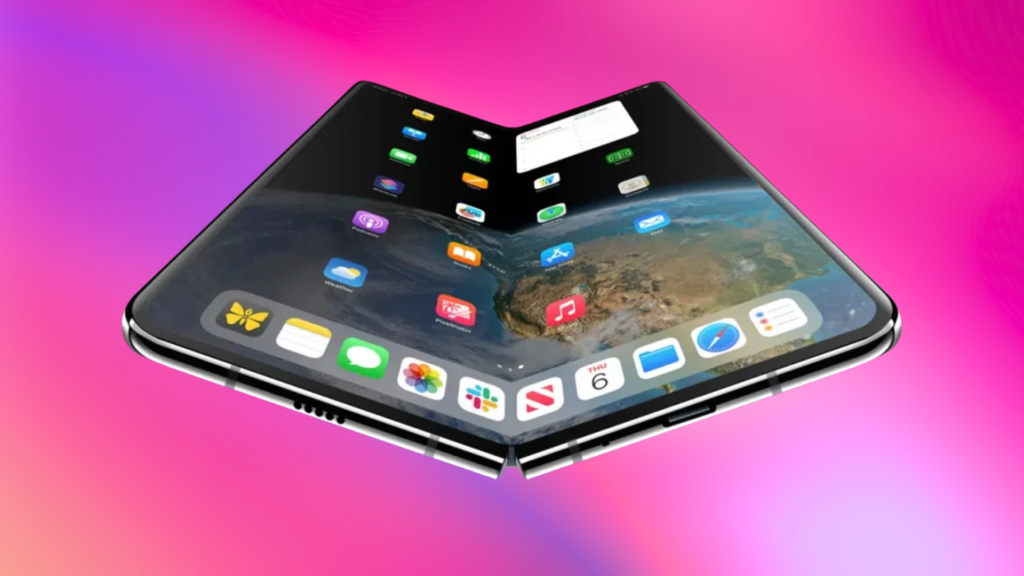
The inner display has remained one of Apple’s biggest engineering priorities. Reports throughout development have suggested that Apple wanted the crease to become extremely difficult to notice during normal use.
One leak claimed a crease depth below 0.15mm and an angle below 2.5 degrees. Apple has also reportedly experimented with specialized display plates, ultra-thin glass, protective films, and a redesigned hinge that spreads stress across a larger area instead of concentrating it directly along the fold.
Apple is reportedly using liquid metal in parts of the hinge, while titanium and stainless steel have also been associated with the hinge and chassis. The materials should help Apple keep the mechanism thin without sacrificing structural strength.
You can read more about the development in our coverage of Apple’s crease-reduction display technology and its testing of tougher protective materials for the folding screen.
It could be Apple’s thinnest iPhone when unfolded
The iPhone Duo is expected to measure around 4.5mm to 4.8mm thick when fully opened and approximately 9mm to 9.5mm when folded.
Getting the phone this thin requires Apple to save internal space wherever possible, which appears to explain several other hardware decisions.
One of those decisions is Touch ID.
Touch ID could replace Face ID

Apple is expected to put Touch ID inside the power button instead of using the TrueDepth camera system required for Face ID. The approach resembles Touch ID on current iPads and allows authentication whether the phone is open or closed.
Removing the Face ID hardware also saves valuable internal space in an unusually thin device.
Our previous report explains why Apple is expected to use side-mounted Touch ID on its foldable iPhone.
Camera cutouts are expected on both displays, although reports have disagreed over whether Apple will use an under-display camera on the internal screen.
A20 Pro, 12GB RAM, and Apple’s C2 modem

Performance should sit alongside Apple’s 2026 flagship iPhones. The iPhone Duo is widely expected to use the A20 Pro, Apple’s new generation of high-end silicon, with reports also pointing to 12GB of RAM.
Apple’s C2 cellular modem is also expected, although reports suggest Apple could use Qualcomm hardware in some configurations if it needs capabilities such as mmWave 5G.
Battery capacity remains unclear. Apple has reportedly focused on high-density battery cells and more efficient internal components to make room for additional battery capacity inside the thin chassis.
Dual 48MP cameras, but probably no Telephoto
The rear camera system is expected to include two 48MP sensors, most likely Main and Ultra Wide cameras.
A dedicated Telephoto camera does not appear to be part of the first-generation design. Apple has limited internal space because the phone needs batteries, hinge components, two displays, and flagship-level computing hardware inside two extremely thin halves.
That means buyers paying more than an iPhone Pro Max could still lose some camera flexibility compared with Apple’s conventional Pro models.
iOS 27 turns the larger screen into a mini iPad

Hardware alone will not determine whether the iPhone Duo works well. Apple has been preparing iOS 27 for screens that change size and shape.
Code discovered in iOS 27 includes references to folding states, hinge angles, and multiple built-in displays. Apple has also pushed developers toward layouts that dynamically resize across different screen dimensions.
When opened, the iPhone Duo is expected to support:
- Two apps running side by side
- Wider app interfaces with iPad-style sidebars
- Interfaces that automatically resize when the phone opens or closes
- A conventional iPhone layout on the outer display
- Expanded productivity and media layouts on the inner screen
The device is still expected to run iOS rather than iPadOS, so users should not expect full access to iPad apps simply because the screen approaches iPad mini territory.
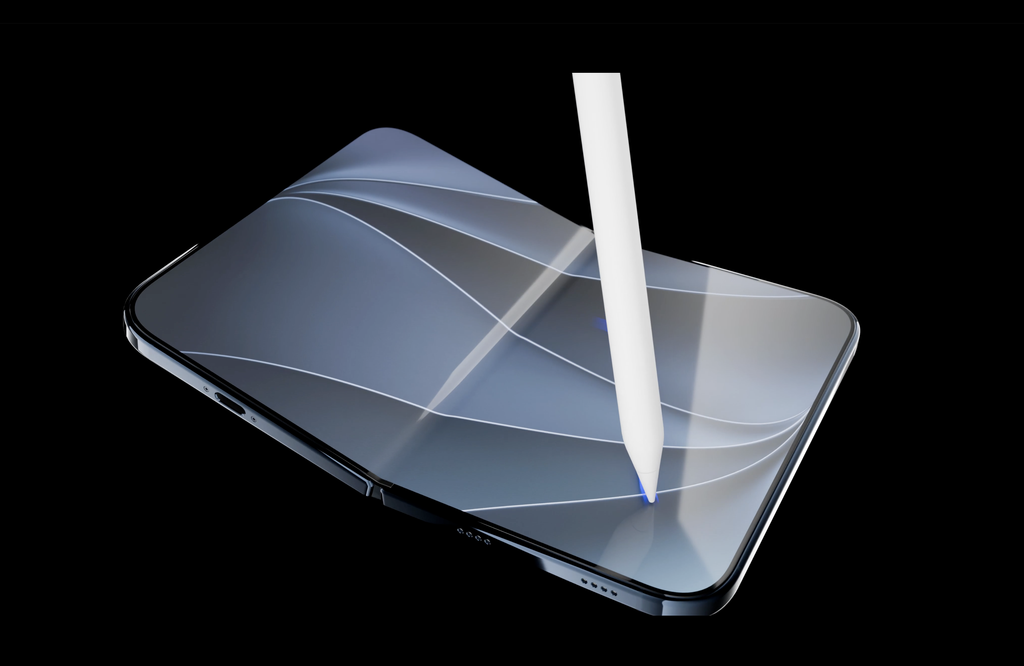
Last-minute reporting has also pointed to Apple Pencil support, although this detail has received less corroboration than the display, processor, and pricing information.
iPhone Duo price could start at $2,000
Apple’s foldable is heading directly into the ultra-premium part of the smartphone market.
The latest information suggests the iPhone Duo will start at $2,000 with 256GB of storage. Higher-capacity configurations could push the price to approximately $3,000, potentially including a 2TB option.
Apple is reportedly preparing only two colors initially:
- White
- Dark blue
This would give the first foldable a much smaller color selection than Apple’s mainstream iPhones.
Release could happen in October
Apple is expected to introduce the iPhone Duo during its September 9 keynote, but customers may have to wait longer to buy it.
The latest information says sales could begin as early as October, putting the foldable behind the expected September availability of the iPhone 18 Pro models.
That later launch would also give Apple additional time to build inventory for a product that uses new displays, hinges, materials, and manufacturing processes.
Until Apple makes the announcement, the final name, specifications, pricing, storage options, and release date remain subject to change. With the keynote only hours away, however, the iPhone Duo now looks set to become Apple’s first major change to the basic iPhone form factor in years.


Discussion