

If you’re tracking workouts or keeping an eye on your health, you may be asking: Is Apple Watch heart rate monitoring accurate? Apple positions the Apple Watch as a wellness and fitness tool, but understanding how reliable its heart rate readings are can help set realistic expectations.
This article explains how Apple Watch measures heart rate, how accurate it is compared to medical standards, and when the readings are most reliable.
Table of contents
How Apple Watch Measures Heart Rate
Apple Watch uses optical heart sensors that rely on photoplethysmography (PPG). Green LED lights flash hundreds of times per second, measuring changes in blood flow beneath the skin to estimate your heart rate.
Don’t miss the best of The Mac Observer
Set us as a preferred source and our Apple reporting ranks higher in your Google Search results and Discover feed — one tap, no account changes.

Image Source: ResearchGate
Apple explains this process in detail in its documentation on Apple Watch heart rate monitoring, including how readings vary depending on activity and movement.
How Accurate Is Apple Watch Heart Rate Monitoring?

Image Source: Apple
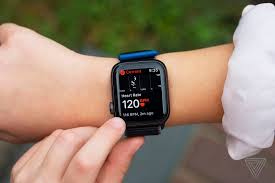
In general, Apple Watch heart rate monitoring is considered accurate for everyday use and most fitness activities. Independent research has shown that Apple Watch performs well during steady-state exercise such as walking, jogging, and cycling.
A peer-reviewed study published on PubMed Central examined the validity and reliability of the Apple Watch for measuring heart rate during exercise and found that readings closely matched reference medical devices under controlled conditions, particularly during moderate-intensity workouts.
That said, no wrist-worn device matches the precision of clinical-grade chest straps or ECG equipment.
When Apple Watch Heart Rate Is Most Accurate
Apple Watch tends to deliver the best results when:
- The watch fits snugly on your wrist
- You’re performing steady, rhythmic activities
- Your arm movement is limited and consistent

For walking, running, and cycling, readings are generally reliable and consistent.
MacObserver has previously highlighted this strength in its report on Apple Watch heart rate accuracy, noting that heart rate tracking is one of the watch’s strongest features.
When Accuracy May Be Reduced
Heart rate accuracy can drop during:
- High-intensity interval training
- Strength training with wrist flexion
- Activities involving sudden arm movement
- Cold weather that restricts blood flow
Skin tone, tattoos, and loose bands can also affect readings.
Apple Watch vs Other Fitness Trackers

Image Source: Apple
When compared to other wearables, Apple Watch generally ranks among the more accurate wrist-based heart rate trackers. Comparisons with competing devices often show Apple Watch performing especially well during moderate exercise.
MacObserver explored this in a recent comparison of Apple Watch vs Fitbit Charge 6, where heart rate consistency was one of the deciding factors.
Can Apple Watch Replace Medical Devices?
Apple Watch is not a medical diagnostic tool for continuous heart monitoring. While it can detect irregular heart rhythms and provide ECG readings on supported models, it is designed for wellness tracking rather than clinical diagnosis.
Apple itself advises users to consult medical professionals and not rely solely on Apple Watch for medical decisions.
How to Improve Heart Rate Accuracy on Apple Watch
To get the most accurate readings:
- Wear the watch snugly, above the wrist bone
- Keep the sensors clean
- Enable background heart rate tracking
- Use Workout mode during exercise
These steps help the sensors maintain consistent skin contact.
Final Takeaway
So, is Apple Watch heart rate monitoring accurate? For everyday fitness tracking and general health awareness, the answer is yes. Apple Watch delivers reliable heart rate readings during most steady activities and compares favorably with other wrist-worn trackers.
However, it shouldn’t be treated as a replacement for medical-grade equipment. Used as intended, Apple Watch heart rate monitoring is a dependable tool for fitness insights rather than clinical diagnosis.



Discussion