
Explore every new Apple Intelligence feature. Learn about Safari tab sorting, the upgraded image playground, smart home updates, and accessibility tools.
artificial intelligence

The New Siri: Everything Apple Announced About Its Gemini-Powered Assistant
Discover everything Apple announced about its Gemini powered Siri AI. Learn how the new app uses onscreen awareness and personal context to help you today.

Apple Brings Rich Siri Conversations to Spotlight in macOS 27
Apple announced that macOS 27 will allow users to start rich Siri conversations directly in Spotlight. Ask complex questions and get answers right away.

Google Gemini Might Set The Ultimate Ceiling On Apple AI Ambitions
Analyst Ming-Chi Kuo warns that using Google Gemini for Siri and Apple Intelligence might create a permanent ceiling for the company’s long-term AI goals.

OpenAI Plans Huge ChatGPT Superapp Overhaul Ahead Of IPO Push
OpenAI plans a major ChatGPT update to create a powerful superapp with smart agents and coding tools to attract business clients ahead of its upcoming IPO.

Slow Apple Intelligence Upgrades Delay New Product Launches
Discover how slow Apple Intelligence upgrades and software struggles forced the company to delay new product categories and rethink its overall strategy.

Adobe Photoshop 27.7 Adds On-Device AI With A Minor Catch
Adobe released Photoshop 27.7 with on-device AI tools. This update speeds up your image editing, but it requires a powerful modern computer to work offline.
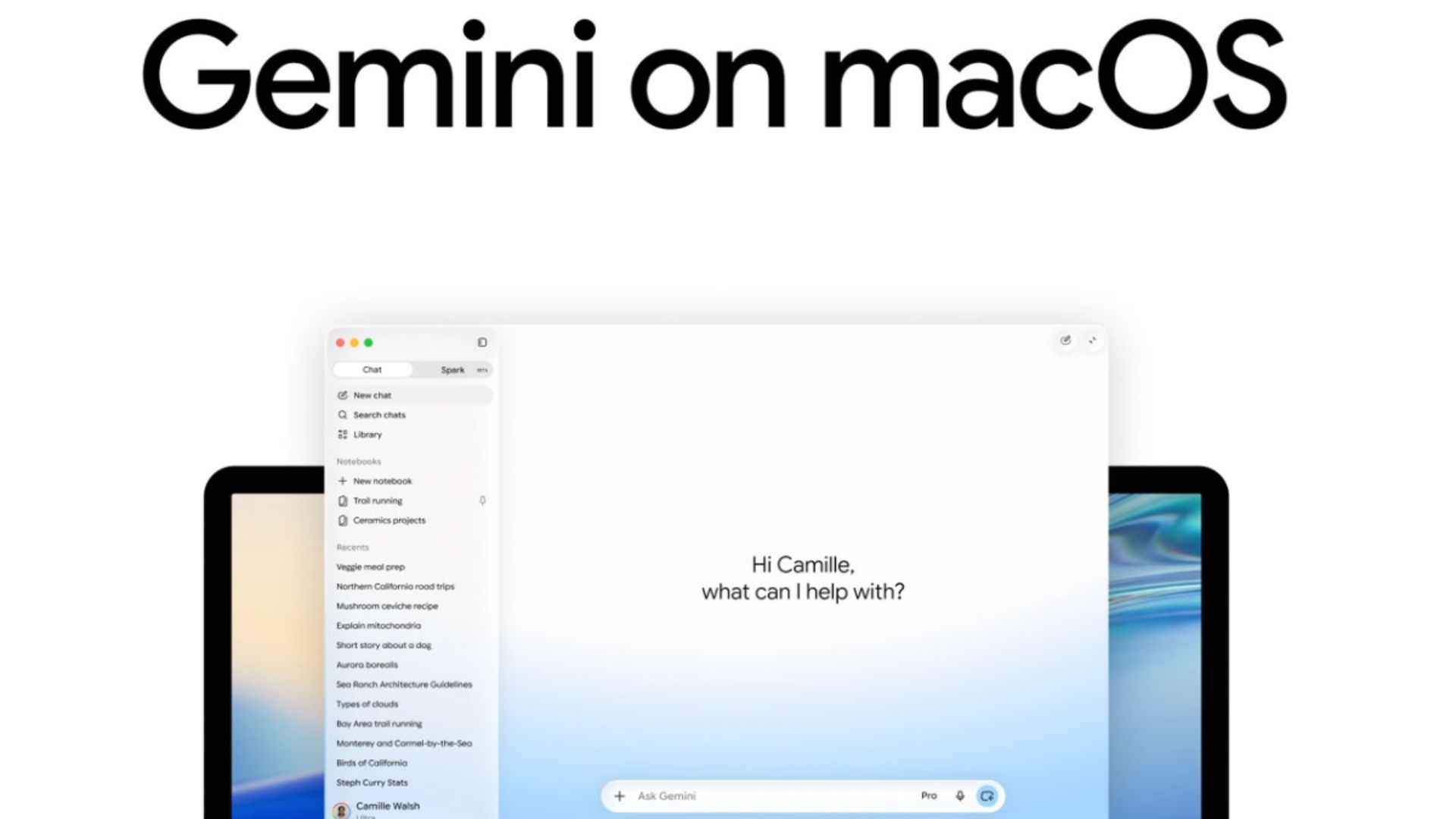
Google Brings New Voice Tools And Gemini Spark To Mac Computers
Google brings the Gemini Spark agent and smarter voice capabilities to the official Mac application this summer to help users automate their daily tasks.

Google Is Launching First AI Smart Glasses This Fall with iPhone Support
Google is launching its first AI smart glasses this fall. The new frames support iPhones and feature audio tools, real time translation, and smart cameras.

Apple Secures A Talent And Licensing Deal With Avatar Startup Animato
Apple has secured a talent and licensing deal with avatar startup Animato. The move brings the tech giant new software tools without a full company buyout.

Google Unveils Gemini 3.5 Flash Model At Annual Developer Conference
Google introduced Gemini 3.5 Flash at I/O 2026. The new model offers much faster speeds and better coding features for free across its apps and services.

OpenAI Co-Founder Andrej Karpathy Joins Anthropic Pre-Training Team
Andrej Karpathy joins Anthropic to lead its new pre-training research group. The OpenAI co-founder pauses his startup Eureka Labs to help shape new LLMs.

Meta Launches Incognito Chat For WhatsApp And Its AI Assistant
Meta launched a new incognito chat mode for WhatsApp and its AI assistant. The mobile app update deletes messages and keeps data out of its training models.
OpenAI May Take Legal Action Against Apple Over Fraying Siri Partnership
OpenAI is reportedly considering legal action against Apple as its Siri partnership fails due to disputes over revenue sharing and data usage agreements.

Samsung Prepares to Launch New AI Smart Glasses Before Apple
Samsung will reveal its new AI-powered smart glasses this July. Learn how the display-free wearable uses Gemini to process real-time video and beat Apple.

New OpenAI Daybreak Platform Uses GPT-5.5 to Find System Bugs
OpenAI launched Daybreak, a new security platform that uses the GPT-5.5 model to automatically scan code, find vulnerabilities, and suggest quick fixes.

Grok AI Voice Mode Officially Lands On Apple CarPlay Displays
Grok has added a new voice mode to Apple CarPlay. Drivers can chat, switch voices, and mute conversations directly from the car dashboard screen.

Anthropic Updates Claude Managed Agents With Three Major Tools
Anthropic just updated Claude Managed Agents with dreaming, outcomes, and multiagent orchestration to make enterprise systems smarter and easier to manage.

Perplexity Opens Personal Computer Access To All Mac Users
Perplexity released its new Mac app, bringing the Personal Computer AI agent to more users. It can organize files and operate apps in the background today.

Apple Smart Glasses May Use Hand Gestures for Control
Apple is developing screenless AI smart glasses that use a dual-camera setup to track hand gestures and capture photos for everyday smartphone use.

Anthropic Adds Nine Claude Connectors For Popular Creative Apps
Anthropic added nine new Claude AI connectors for apps like Adobe and Blender. These helpful plugins let designers work faster inside their own workspaces.

Microsoft And OpenAI Update Deal To Remove Exclusivity And AGI Rules
Microsoft and OpenAI revised a major partnership to remove cloud exclusivity rules and the AGI clause, giving each company more flexibility moving forward.

Adobe Releases Firefly AI Assistant in Beta To Connect Creative Apps
Adobe is testing a Firefly AI assistant that lets users control apps like Photoshop and Illustrator with simple text commands to speed up their design work.
Apple’s AI Push Could Create Three New Hardware Categories
Apple plans to launch three new AI smart home products, including two tablet displays and a secure smart doorbell camera, according to Bloomberg reports.